
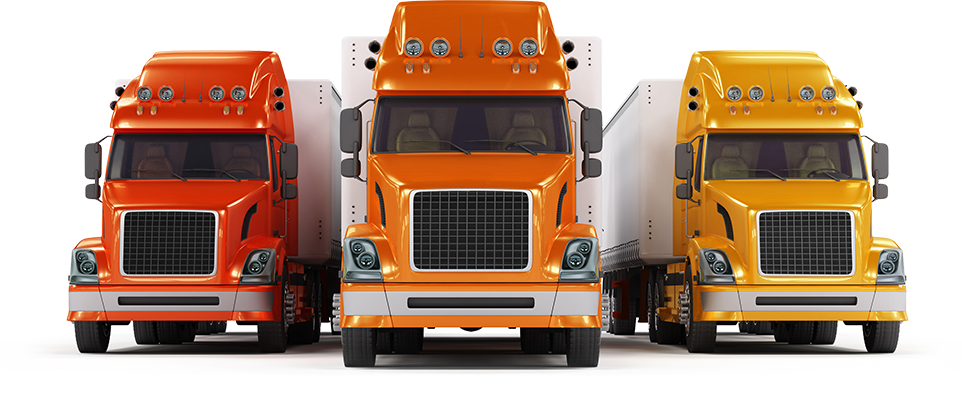
Running a trucking business in the USA involves much more than driving from one destination to another. Owner-operators and carriers have to find suitable freight, negotiate rates, communicate with brokers, manage paperwork, plan routes, and keep trucks moving.
Handling all of these responsibilities alone can quickly become difficult, especially when you are trying to increase revenue and reduce operating costs. A freight dispatch company USA can take care of many of these daily tasks and allow you to focus more on driving and growing your business.
What Is a Freight Dispatch Company?
A freight dispatch company provides professional dispatch support to trucking companies, carriers, and owner-operators. Dispatchers work with carriers to find available freight, communicate with brokers, negotiate rates, coordinate pickup and delivery schedules, and manage dispatch-related paperwork.
The dispatcher works on behalf of the carrier and focuses on finding freight that fits the truck, equipment, preferred lanes, and business goals.
A good dispatch service is not simply about booking the next available load. It is about making practical decisions that help keep the truck productive.
How Freight Dispatch Companies Work
The process usually starts with understanding the carrier’s equipment and preferences.
A dispatcher may ask about:
- Truck and trailer type
- Preferred lanes
- Home-time requirements
- Minimum rate expectations
- Preferred load length
- Driver availability
- Areas the carrier wants to avoid
Once these details are clear, the dispatcher searches for suitable freight and presents available options to the carrier.
After the carrier approves a load, the dispatcher handles broker communication, rate confirmation, pickup and delivery details, and ongoing shipment coordination.
Services Offered by a Freight Dispatch Company USA
A professional dispatch company can handle many parts of daily freight operations.
Load Searching
Dispatchers search freight sources and load boards to identify loads that match the carrier’s equipment and requirements.
The goal is to find suitable freight rather than simply booking the first load available.
Rate Negotiation
Freight rates can vary depending on the lane, equipment, market conditions, distance, and available capacity.
Experienced dispatchers negotiate with brokers to secure competitive rates for carriers.
Broker Communication
Communication with brokers can take significant time.
Dispatchers handle calls, emails, setup requirements, load details, appointment information, and shipment updates.
Route Planning
A profitable load can become less attractive if it creates excessive deadhead miles or leaves the truck in a weak freight market.
Dispatchers consider the next move when planning current loads, helping carriers make better routing decisions.
Paperwork Management
Dispatch operations involve documents such as rate confirmations, broker packets, pickup information, and delivery details.
A dispatcher helps keep these documents organized so drivers can focus on transportation.
Why Owner-Operators Use Freight Dispatch Services
Owner-operators often manage their entire business themselves.
They drive the truck while also handling administrative responsibilities. Searching for loads between trips can be tiring and time-consuming.
A freight dispatcher takes over much of the daily load management, giving owner-operators more time to focus on driving and maintaining their equipment.
Professional dispatch support can help with:
- Finding suitable freight
- Negotiating rates
- Reducing empty miles
- Managing broker communication
- Planning future loads
- Organizing paperwork
- Reducing downtime
Benefits for Small Trucking Fleets
Dispatch services can also be useful for small fleets.
When a company operates several trucks, managing freight for every driver becomes more complicated. Each truck may be in a different location and require a different load.
A professional dispatcher can coordinate multiple trucks, monitor schedules, communicate with drivers, and look for reload opportunities.
This allows fleet owners to spend more time on hiring, maintenance, customer relationships, and business growth.
Equipment Types a Freight Dispatcher Can Handle
Freight dispatch companies may work with several types of commercial equipment.
Dry Van
Dry vans carry a wide variety of general freight and are one of the most common trailer types in the USA.
Reefer
Reefer trucks transport temperature-sensitive products such as food, beverages, and other refrigerated freight.
Flatbed
Flatbed carriers typically move construction materials, machinery, steel, lumber, and oversized or irregular freight.
Step Deck
Step deck trailers are useful for freight that exceeds standard height restrictions and cannot fit on a traditional flatbed.
Power Only
Power-only carriers provide the tractor while another party supplies the trailer.
Box Truck
Box trucks are commonly used for regional and local freight, depending on their size and operating authority.
Hotshot
Hotshot trucks generally handle smaller or time-sensitive loads and often operate on shorter routes.
Understanding the differences between these equipment types allows dispatchers to target appropriate freight.
How Dispatchers Help Reduce Deadhead Miles
Deadhead miles are miles driven without a paying load. They increase fuel consumption, add wear to the truck, and reduce overall revenue per mile.
A dispatcher can reduce unnecessary empty miles by looking for reloads near delivery locations and considering where the next profitable load is likely to be.
This type of planning is especially important for owner-operators who have tight operating margins.
How Freight Dispatchers Help With Rate Negotiation
Negotiating a freight rate requires more than asking a broker for a higher number.
Dispatchers consider the total trip, mileage, deadhead, fuel costs, loading and unloading time, market conditions, and the next available freight opportunity.
A professional dispatcher uses this information when discussing rates with brokers.
The objective is to find freight that makes financial sense for the carrier rather than focusing only on the gross rate.
What Makes a Good Freight Dispatch Company?
Choosing the right dispatch company can have a direct impact on your daily operations.
Look for these qualities:
Experience
A dispatcher should understand the freight industry, broker procedures, equipment requirements, and common challenges faced by carriers.
Clear Communication
Your dispatcher should provide timely updates and respond when issues arise.
Poor communication can create unnecessary delays and confusion.
Transparent Pricing
Dispatch fees should be explained before you enter into an agreement.
Avoid companies that have unclear charges or make unrealistic income promises.
Market Knowledge
Freight markets change regularly. A knowledgeable dispatcher understands that the highest-paying load is not always the most profitable load once fuel, deadhead, and route considerations are included.
Respect for Carrier Decisions
The carrier should have control over which loads they accept.
A professional dispatcher presents freight opportunities and provides useful information without pressuring the driver into accepting unsuitable loads.
Questions to Ask Before Hiring a Freight Dispatch Company
Before signing a dispatch agreement, ask:
- How does your dispatch fee work?
- Which equipment types do you handle?
- How do you find freight?
- How do you negotiate rates?
- What areas and lanes do you specialize in?
- How often will we communicate?
- Can I approve every load before booking?
- What paperwork do you handle?
- How do you manage communication with brokers?
- What happens if a load is delayed or canceled?
Clear answers can help you determine whether the company is a good fit.
Common Mistakes When Choosing a Dispatch Service
The cheapest dispatch service is not always the best option.
Avoid choosing a company solely because it offers the lowest fee. Poor load selection, weak communication, or limited market knowledge can cost more than the dispatch fee itself.
Other mistakes include:
- Signing an agreement without reading it
- Accepting unrealistic income guarantees
- Ignoring communication problems
- Failing to ask about equipment experience
- Not discussing preferred lanes
- Choosing a company without understanding its fee structure
A careful evaluation can prevent many problems later.
Freight Dispatch Company vs Doing It Yourself
Some owner-operators prefer to handle their own dispatch.
This gives them complete control over load selection and broker communication, but it also requires significant time.
Managing dispatch independently means monitoring load boards, making broker calls, negotiating rates, completing paperwork, and planning reloads.
A professional freight dispatch company takes these responsibilities off the carrier’s plate.
The better choice depends on your experience, workload, business size, and how much time you want to spend handling dispatch operations.
Is a Freight Dispatch Company Worth It?
For many owner-operators and small fleets, professional dispatch support can be valuable.
The main benefit is not simply finding loads. It is saving time while improving the way freight is selected, negotiated, and planned.
If dispatching takes you away from driving, customer service, maintenance planning, or business development, outsourcing those tasks may make sense.
The key is finding a dispatch company that understands your business rather than treating every carrier the same.
How to Choose the Right Freight Dispatch Company in the USA
Start by identifying your own needs.
Consider your equipment type, preferred lanes, home-time requirements, fleet size, and revenue goals.
Then compare dispatch companies based on experience, communication, pricing, freight knowledge, and service quality.
A good dispatch partner should fit into your operation without taking away your control over important business decisions.
Final Thoughts
A freight dispatch company USA can provide valuable support for owner-operators, carriers, and small trucking fleets. From finding suitable freight and negotiating rates to managing broker communication, paperwork, and route planning, professional dispatchers can reduce the daily workload of running a trucking business.
The right dispatch partner should help you make better freight decisions, reduce unnecessary downtime, and keep your operation organized. Before choosing a company, compare its experience, communication, pricing, and understanding of your equipment and preferred lanes.