
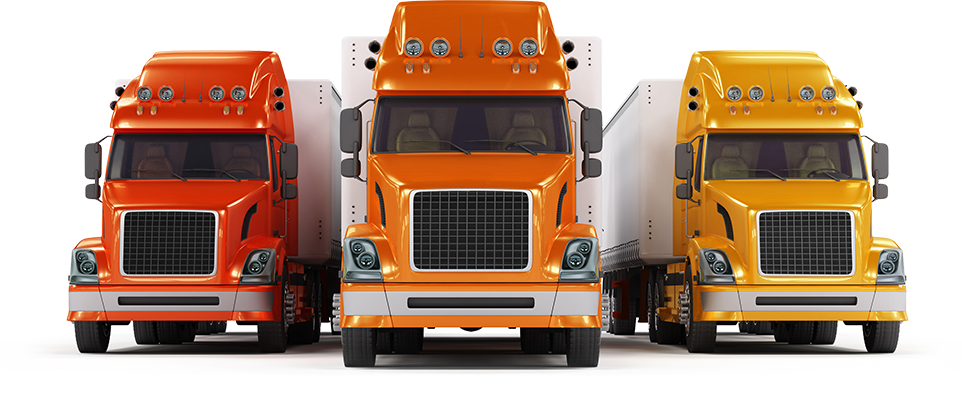
Truck dispatch is changing as the trucking industry becomes more digital. Load boards, GPS tracking, electronic documents, transportation software, and automated communication are already changing how carriers manage their daily operations.
For owner-operators and small fleets, these changes can make it easier to find freight, compare loads, plan routes, communicate with brokers, and keep trucks moving.
But the future of truck dispatch is not only about technology. Successful dispatchers will still need freight market knowledge, negotiation skills, good communication, and a clear understanding of what makes a load profitable.
What Is Truck Dispatch?
Truck dispatch is the process of helping a carrier manage freight and transportation operations.
A dispatcher may handle tasks such as:
- Searching for available loads
- Contacting freight brokers
- Negotiating rates
- Booking shipments
- Confirming pickup and delivery details
- Planning routes
- Managing dispatch paperwork
- Tracking shipments
- Finding reloads
- Communicating with drivers and brokers
For an owner-operator, having dispatch support can reduce the amount of time spent on administrative work and load searching.
Why Is Truck Dispatch Changing?
The trucking industry now produces and uses more data than ever. Carriers can see freight availability, truck locations, market information, delivery updates, and operating costs through digital systems.
At the same time, shippers and brokers expect faster communication and better shipment visibility.
These changes are pushing dispatch services toward a more connected and data-driven approach.
Instead of relying entirely on phone calls and manual searches, dispatchers can use technology to make faster decisions.
Technology Will Shape the Future of Dispatch
Technology will continue to influence almost every part of truck dispatch.
Modern dispatch software can help manage:
- Load information
- Carrier details
- Driver communication
- Rate confirmations
- Shipment tracking
- Mileage
- Routes
- Documents
- Delivery schedules
The purpose of these tools is not simply to automate dispatching. Good technology should help dispatchers spend less time on repetitive work and more time helping carriers make better decisions.
Artificial Intelligence in Truck Dispatch
Artificial intelligence is likely to become a bigger part of transportation operations.
AI systems can process large amounts of information quickly and identify patterns in freight markets.
For truck dispatch, AI may help with:
- Load matching
- Rate analysis
- Freight demand forecasting
- Route recommendations
- ETA predictions
- Reload suggestions
- Document processing
- Fraud detection
For example, a system could compare a truck’s location, equipment type, destination, and availability with nearby freight and identify potential loads.
The dispatcher can then review those options and decide whether they actually fit the carrier’s business.
AI can improve speed, but it does not replace practical judgment.
Digital Load Matching Will Become More Important
Traditional dispatching often involves manually searching load boards and calling brokers.
Digital freight matching can make this process more efficient by comparing available trucks with available loads.
Systems may consider:
- Equipment type
- Pickup location
- Delivery location
- Available time
- Mileage
- Rate
- Destination
- Carrier preferences
This can help dispatchers find suitable freight faster.
However, a load that matches a truck technically may not always be a profitable load. Human review will remain important.
Real-Time Tracking Will Improve Dispatch
Real-time truck tracking is already an important part of modern logistics, and its role will continue to grow.
Dispatchers can use tracking information to monitor:
- Current truck location
- Estimated arrival time
- Pickup progress
- Delivery progress
- Route changes
- Delays
When dispatchers have accurate location information, they can communicate with brokers and customers more effectively.
It can also reduce unnecessary phone calls between drivers and dispatch teams.
Data-Driven Load Selection
The future dispatcher will have more information available when evaluating freight.
Instead of looking only at the gross rate, dispatchers can consider the complete economics of a load.
Important factors include:
- Total miles
- Rate per mile
- Deadhead miles
- Fuel costs
- Tolls
- Delivery time
- Equipment requirements
- Reload opportunities
A $2,000 load may look attractive until the carrier calculates the total miles, empty miles, fuel, and time required to complete it.
Better data can help carriers make decisions based on actual profitability rather than the headline rate.
Rate Negotiation Will Remain Important
Technology may provide rate information, but negotiation will still matter.
Brokers and carriers will continue to discuss rates based on market conditions, shipment requirements, capacity, and timing.
Experienced dispatchers understand that the advertised rate is not always the final rate.
They can ask questions, compare the load with other opportunities, and negotiate when there is room to improve the offer.
This human interaction is one area where professional dispatchers can continue to provide value.
Route Planning Will Become Smarter
Route planning is another area where technology can improve dispatch operations.
Future systems may consider:
- Traffic
- Distance
- Fuel stops
- Delivery appointments
- Weather
- Road restrictions
- Driver hours
- Potential reload locations
A smarter route can help reduce unnecessary miles and improve schedule reliability.
For carriers, better route planning can also help control fuel costs and improve truck utilization.
Reducing Deadhead Miles
Empty miles directly affect trucking profitability.
A truck traveling without freight still uses fuel, accumulates mileage, and takes up driver time.
Future dispatch systems can use location and freight data to identify potential reloads before the current shipment is completed.
This can help dispatchers plan the next move instead of waiting until the truck is empty.
Reducing deadhead will remain an important goal for both carriers and dispatch companies.
Automated Dispatch Paperwork
Paperwork is another area where automation can save time.
Digital systems can organize documents such as:
- Rate confirmations
- Bills of lading
- Broker packets
- Proof of delivery
- Carrier documents
- Delivery information
Keeping documents in one system can make it easier to find important information when needed.
It can also reduce errors caused by manually entering the same information multiple times.
Better Communication Between Drivers and Dispatchers
Communication is at the center of trucking.
Drivers need accurate information about pickup times, delivery appointments, load requirements, and route changes.
Future dispatch platforms may combine driver messaging, shipment information, tracking, and documents in one place.
This can reduce confusion and help everyone work from the same information.
Predictive Freight Planning
One major advantage of better data is the ability to plan ahead.
Instead of waiting until a driver finishes a delivery before looking for the next load, dispatchers can analyze freight around the expected delivery location.
They may consider:
- Historical lane activity
- Current freight availability
- Market demand
- Truck location
- Equipment type
- Delivery schedule
This type of planning can help carriers reduce downtime and improve truck utilization.
The Dispatcher’s Role Will Evolve
As technology handles more repetitive tasks, the role of a dispatcher will change.
Dispatchers may spend less time manually searching load boards and entering information.
Instead, they can focus more on:
- Load selection
- Rate negotiation
- Market analysis
- Route strategy
- Problem-solving
- Carrier relationships
- Business planning
The dispatcher of the future will need to understand both trucking and technology.
Human Experience Will Still Matter
It would be easy to assume that automation will eventually handle every dispatch decision. In reality, trucking is full of situations that software cannot always resolve on its own.
A driver can experience a breakdown.
A receiver can change an appointment.
A broker can provide incorrect information.
Severe weather can disrupt a route.
Freight can be delayed at a facility.
These situations require communication and practical problem-solving.
A strong dispatcher can contact the right people, explain the situation, negotiate solutions, and keep the carrier informed.
How the Future of Dispatch Will Affect Owner-Operators
Owner-operators may benefit from faster access to freight and better operational information.
Future dispatch tools could help them:
- Find loads faster
- Compare freight opportunities
- Monitor rates
- Reduce deadhead
- Plan routes
- Track shipments
- Organize paperwork
- Find reloads
At the same time, more carriers may have access to similar information.
That means owner-operators will need to pay closer attention to their operating costs and make smarter decisions about which loads they accept.
What About Small Fleets?
The future of truck dispatch could be especially useful for small fleets.
Managing several trucks creates more work because each truck has its own:
- Driver
- Load
- Pickup
- Delivery
- Broker communication
- Rate confirmation
- Reload
A centralized dispatch system can help fleet owners manage multiple trucks more efficiently.
This can make it easier to grow without increasing administrative work at the same rate.
Specialized Dispatch Services Will Grow
Different equipment types require different freight knowledge.
A dispatcher working with dry vans may have different responsibilities from one handling flatbeds or reefers.
Future dispatch services may become more specialized in:
- Dry Van
- Reefer
- Flatbed
- Step Deck
- Power Only
- Box Truck
- Hotshot
- Conestoga
Specialized dispatchers can better understand equipment requirements, freight characteristics, loading procedures, and relevant markets.
Cybersecurity and Freight Fraud Prevention
As more dispatch operations move online, security will become increasingly important.
Carriers and dispatch companies need to protect information such as:
- Carrier documents
- Insurance details
- Banking information
- Broker details
- Driver information
Verification processes will remain important for reducing the risk of fraudulent loads, fake identities, and payment scams.
Technology can help with verification, but companies still need strong procedures and careful communication.
What Should Trucking Companies Do Now?
Carriers do not need to adopt every new technology available.
Instead, focus on tools that solve real problems.
Start by:
- Tracking revenue and expenses
- Monitoring deadhead miles
- Using reliable load platforms
- Keeping documents organized
- Improving driver communication
- Tracking shipment progress
- Reviewing lane profitability
- Maintaining strong broker relationships
The goal should be simple: use technology to make the business easier to manage and more profitable.
How to Choose a Future-Ready Dispatch Company
If you are considering a professional dispatch service, look beyond load booking.
Ask whether the company:
- Uses modern dispatch software
- Understands your equipment
- Negotiates freight rates
- Plans routes
- Searches for reloads
- Tracks shipments
- Communicates consistently
- Understands your preferred lanes
- Provides support when problems occur
A good dispatch partner should combine technology with real trucking knowledge.
Final Thoughts
The future of truck dispatch will be more digital, automated, and data-driven. AI, digital load matching, real-time tracking, predictive planning, and automated paperwork will continue to change how dispatchers support carriers.
But technology will not remove the need for experienced people. Trucking involves unpredictable situations that require negotiation, communication, and practical decision-making.
For owner-operators and small fleets, the biggest opportunity is to use technology to reduce administrative work while relying on knowledgeable dispatch support for important freight and operational decisions.
The dispatch companies that combine modern tools with strong communication, market knowledge, and carrier-focused service will be better positioned for the future.
👉 Contact Dexter Dispatch Services at www.dexterdispatchservices.com or call us at [682-336-0385]
Frequently Asked Questions
The future of truck dispatch will include more AI, automation, digital load matching, real-time tracking, predictive planning, and data-driven load selection.
AI can automate repetitive tasks, but dispatchers will still be needed for rate negotiation, problem-solving, carrier relationships, and decisions that require practical trucking knowledge.
AI can help analyze freight data, match trucks with loads, evaluate rates, predict demand, suggest routes, organize documents, and identify potential reloads.
Traditional load boards will likely remain useful, but digital freight matching and integrated dispatch platforms may make the process of finding and comparing loads faster.
Technology can analyze truck locations, delivery destinations, available freight, and reload opportunities to help dispatchers identify potential next loads.
Yes. Technology can improve efficiency, but carriers can still benefit from professional help with load selection, negotiation, broker communication, route planning, and problem-solving.
Owner-operators may gain faster access to freight, better rate information, improved route planning, automated paperwork, and better shipment visibility.
Future dispatchers will need freight market knowledge, technology skills, communication, negotiation, data analysis, route planning, and problem-solving abilities.
Yes. Data can help compare rates, mileage, deadhead, fuel expenses, lane conditions, and reload opportunities so carriers can make more informed decisions.
Look for a company that combines technology with experienced dispatchers, transparent communication, rate negotiation, route planning, equipment knowledge, and reliable carrier support.