
In embarking on the transportation sector, the choice between an electric truck and a gas truck is an important issue of concern. The EV vehicle refers to a kind of car that can be considered environment-friendly and has a variety of advantages to offer, particularly within the backdrop of the international transition to sustainability. Moreover, they will be able to save money on fuel. Concurrently, the gas trucks remain competitive, particularly during the long-distance or substantial deliveries.
We are evaluating the key performance, infrastructure, expenditure, and environmental implication of the two alternatives. There will be profound knowledge of the advantages and disadvantages of electric and gas cars, which will guarantee you a wise choice.
Key Criteria to Compare Electric and Gas Trucks
To choose between electric pickup trucks and gas trucks, you are to refer to a series of main measures that define the practicality of the usage, the value in the long-term perspective, and the performance. Understanding these factors will help you determine the type of truck that fits your needs.
Performance and Power
The driving of electric trucks and gas trucks are not equal because of the engines. An example is that the electric motors have an instant torque, which gives the quick acceleration and smooth handling. They depend on battery capacity in their performance. An example is larger trucks, which have bigger batteries and are more reliable and offer greater efficiency. This aspect is particularly advantageous in heavily populated cities where traffic congestion is normal and stop-and-go is normal and prompt actions are very crucial.
In the case of gas trucks, they may be more powerful as it concerns a high-speed or extended drive. Their internal combustion engines are constructed to make long-haul deliveries. Gas trucks can be a better solution for the carriers that have to work on highways and often work with heavy weights. Nevertheless, the improvement of battery technology enables the electric pickup trucks to be no less and even more powerful in regard to range and load capacity than the trucks.
Fueling vs. Charging Infrastructure
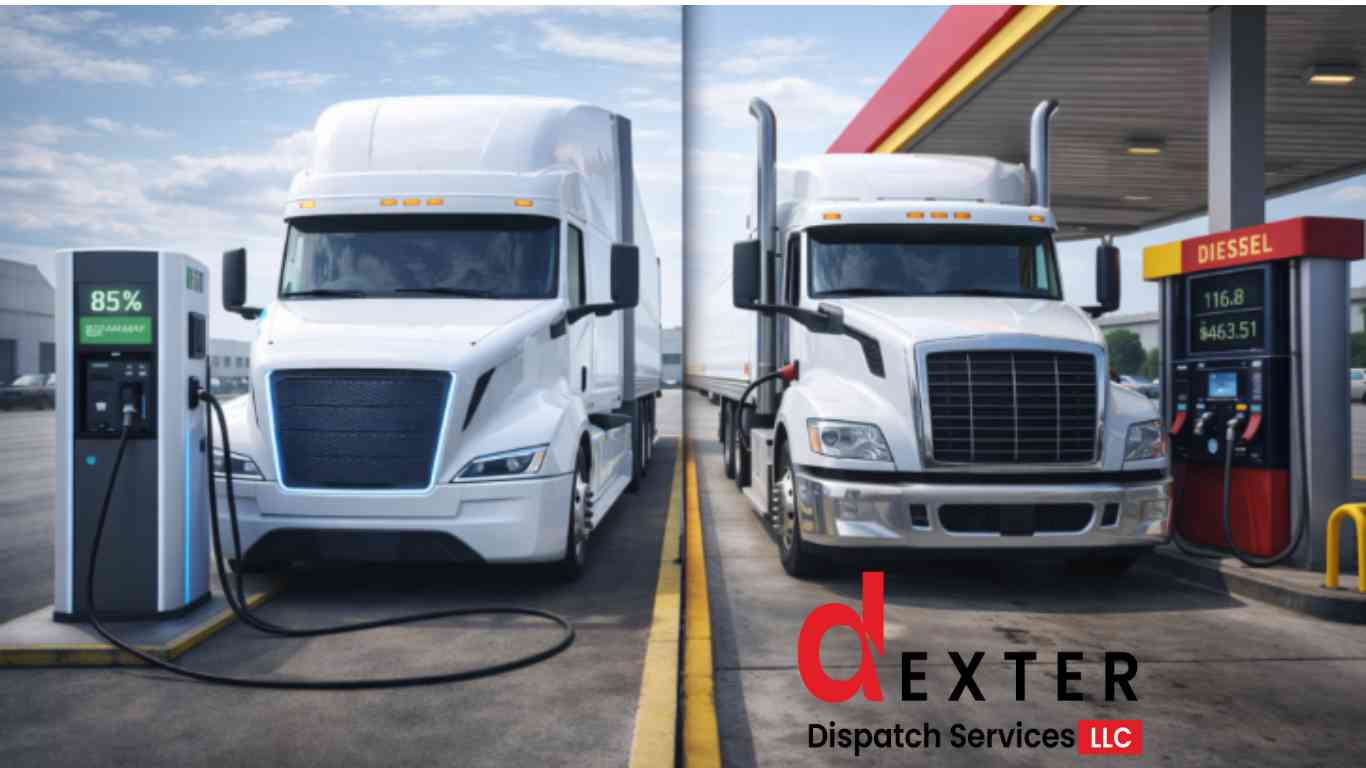
Availability of fueling/charging infrastructure has been cited to be one of the key factors in the electric truck vs. the gas truck. The refueling network of gas vehicles is extremely developed, and gas stations are available in practically any place. This enables drivers of the gas vehicles to plan on long distances without having to worry about fueling.
Electric trucks will also be dependent on smaller charging stations. Moreover, EV drivers are to pay attention to the kind of charger. As an example, Level 1 chargers require a few hours to fully charge a vehicle, whereas Level 3 chargers can charge an electric truck in less than an hour using their DC fast chargers. Wherever one is in town or on a big highway, charging structures are readily available. But the truckers in the rural areas or in long-scale transportation may not find alternatives for a quick charge.
Cost and Incentives
Among the significant points in making a decision between an electric car and a gas car, there is the knowledge of expenditures. Comparing electric trucks and gas trucks appears to be more costly, but they could lead to a long-term payback. Less maintenance was seen in electric vehicles, as they have fewer moving parts. Moreover, compared to gasoline, electricity is cheaper and will save money on fuel.
Certain states can also provide tax credits, grants, and rebates to make the initial cost of an electric commercial vehicle lower and persuade people to make a green decision. This will ensure that electric trucks are more affordable, particularly to fleet managers who seek to save on the total costs of operations. Meanwhile, gas vehicles are a cheaper alternative that is less expensive on the initial investments; hence, they are less difficult to buy in the first place. On the contrary, they are exposed to a greater continued expenditure on fuel and maintenance.
Differences Between Electric and Gas Trucks
In making the decision of whether to buy an electric or a gas truck, it is important to know their exact differences. Regarding performance to fueling and cost, both types could provide various types of different benefits and issues.
Performance and Power Comparison
The important parameters in the selection of a vehicle are performance and power. Electric cars are fast and smooth to drive with high levels of torque. This ensures that they are good on urban highways or in driving that requires high velocity. Electric trucks also are more likely to work without noise pollution because they do not have traditional engines.
On the other hand, gas cars have more efficient performance on long hauls. It might take them more time to get off; however, the engines are meant to carry heavy loads and cover long distances. Carriers are likely to end up liking its rugged reliability, particularly on roads that need high endurance over longer distances.
Fueling vs. Charging Infrastructure
The next big difference between electric and gas trucks is the required infrastructure. Gas network is also more extensive in the urban and the rural areas. Accordingly, truckers traveling interstate or to less-populated locations may choose gas trucks when the gas stations are available.
Progressing, electric trucks nevertheless depend on the increasing number of charging stations. The cities and large highways are experiencing the appearance of more and more stations, but in the country, it is often difficult to find a station where to charge a vehicle. Nonetheless, the difference between the electric and gas trucks will become less as the electric infrastructure develops.
Cost Considerations
When analyzing an electric truck and a gas truck, one should take into consideration the cost to buy one of them and their costs. Electric vehicles are expensive to purchase, but their operating expenses are usually cheaper. The cost of electricity per mile is less than that of gasoline, and its trucks also do not need a lot of maintenance since they have fewer parts to service.
Gas trucks come at a low price when buying them, which may enable them to be more affordable to the owner-operators or small enterprises. Nevertheless, they are more likely to incur a larger recurrent cost with fuel costs and oil and engine services. In the long term, electric trucks can help the owner save money, with numerous incentives paid in government bonuses and tax breaks that offer owners the advantages of owning electric vehicles.
Environmental Impact
The ecological impact can be listed among the most debated benefits of the electric trucks. Electric trucks offer zero-emission greenhouse gases, i.e., they make them a cleaner choice in air pollution reduction. In the city where there are many vehicles, they can be used to enhance the quality of air, thereby reducing the ecological impact. There are some evident advantages of electric trucks to companies and truckers that strive to achieve the green image or to adhere to the emission standards.
Gas trucks generate a higher amount of CO₂, which causes pollution. Although modern gas trucks do not consume as much fuel as the older ones, they are still more harmful to the environment than electric trucks. This is a major consideration for the fleet owners or companies that are inclined towards sustainability.
Practicality for Fleet Owners and Drivers
Practicability is commonly depended upon by fleet owners when they make their choice on whether to purchase an electric truck or a gas truck. Electric trucks provide cost savings in the long term and imbue clients with eco-awareness. Moreover, the efficiency and quiet running of the electric pickup trucks can be used to advantage by companies that have city delivery routes. Electric vehicles also make it easier to comply with the environmental regulations.
Simultaneously, gas trucks can be more helpful to fleet managers and carriers operating on routes to the rural territories or heavy-duty transportation. They are also suitable for a variety of driving conditions and offer reliable performance at long distances. These two practical needs are key magnets that would have to be balanced by fleet owners when deciding to choose which type of trucks to acquire and adopt in order to achieve their business aspirations and objectives.
Adoption Trends and Market Outlook
The modern world of logistics is moving in the green direction. Therefore, there is an increasing interest in electric trucks in terms of adoption. The change is supported by policies that promote the adoption of electric vehicles and enhance the manufacturing of electric vehicles. Moreover, over the past several years, auto manufacturers spent their efforts on the development of powerful electric trucks, which can be compared to the ordinary gas-based ones in terms of range, performance, and cost.
Nevertheless, the gas trucks are still prevailing in places where infrastructure, heavy duty, and high-speed requirements are a priority. With the continuous rise in electric charging stations and better battery manufacturing, the adoption of the electric truck is projected to rise significantly in the market in the next 10 years.
Conclusion
Choosing between an electric or gas truck depends on your individual needs, routes, and priorities. While electric trucks offer environmental benefits and long-term savings, gas trucks remain a practical and affordable choice for those who prioritize the availability of refueling and consistent performance on long-haul trips.
Electric vehicles offer instant torque, lower fueling costs, and reduced maintenance needs. This makes them appealing to fleet owners and carriers with local or urban roads. In addition, battery technology continues to evolve, providing more energy-efficient options for a sustainability strategy and proving that carbon neutrality is a priority.
Gas trucks, however, offer significant advantages for carriers who cover long distances or operate in areas without charging stations. Gas vehicles are easy to refuel anywhere amid reliable access in rural areas. They also provide the sustained energy needed for high-speed, heavy-duty driving, which can be critical for specific types of freight or challenging terrains.
Thus, the decision between an electric truck and a gas truck is a matter of aligning the strengths of each type with your specific needs. Whether you’re prioritizing cost-efficiency, environmental impact, performance, or reliability, understanding the unique benefits and limitations of each truck type can help you make a confident choice.
👉 Contact Dexter Dispatch Services at www.dexterdispatchservices.com or call us at [682-336-0385]