
The trucking industry can be hard to get around because it has strict rules and safety standards. One of these complications is the idea of personal conveyance, which lets drivers use their cars for personal reasons. It gives you more freedom to improve your work-life balance, but you have to follow more rules and regulations.
The article talks about what personal conveyance means, when it can be used, and what steps need to be taken to stay within the law and rules. Drivers can confidently use personal conveyance and stay within the law and company rules as long as they keep these important things in mind.
What is Personal Conveyance?
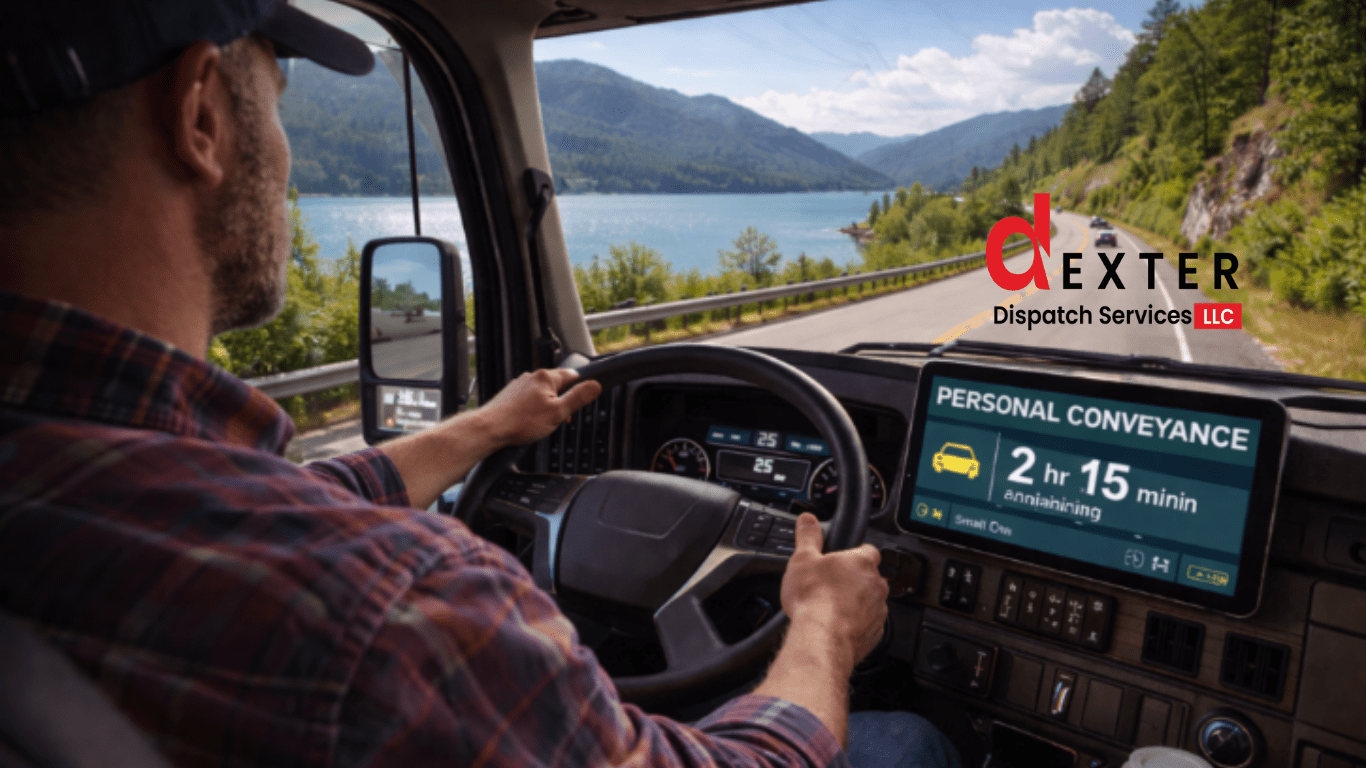
Personal conveyance means using a commercial motor vehicle (CMV) for personal reasons. So, the truck isn’t used to move cargo, deliver goods, or do any other work-related tasks.
For example, a driver can use the car to go to the store or go home after work. Drivers need to know what personal conveyance is so they can follow federal rules.
There are certain rules that apply to personal conveyance, such as a limit on how far you can drive for personal reasons. This tells a driver how far they can go on a CMV for personal reasons. If you go over this limit or misuse the allowance, you could get in trouble.
Also, to stay in line with the rules, drivers should use their electronic logging devices (ELDs) to keep accurate records of the time and place of their personal transportation trips. If not, a driver could get in trouble for personal conveyance violations during inspections.
When Can You Use Personal Conveyance?
As we’ve said, personal conveyance is okay when a driver needs to use their truck for personal reasons. So, you can’t use a vehicle to move the load or get the truck closer to where it needs to be picked up or dropped off. Driving a vehicle closer to the delivery point for the next day during off-duty hours will be seen as work-related. This could cause you to break the rules about personal transportation, which could lead to fines, penalties, or worse.
One common practice is to return home or stay at a hotel before heading back to work. A driver can use their truck to get to and from work, home, or a place to stay after a shift or during off-duty hours. This is one of the most common ways to use a personal vehicle. But the trip can’t be for work, like bringing the truck back to a terminal or getting ready for a delivery the next day.
Going to the store, restaurant, or other errands. During their time off, drivers can often run personal errands, like going to a restaurant, grocery store, or recreation center. These trips are considered personal conveyance unless they don’t help move the cargo. It is important to remember that these trips should be short and not go over the personal conveyance mileage limit.
Moving the car for safety reasons. Drivers can move their cars to a safer place if they park in an unsafe area. This type of vehicle can also be seen as a personal conveyance. This rule makes sure that drivers can put their safety first without worrying about breaking the law.
This rule also applies to drivers who travel between terminals for non-work-related purposes. Sometimes a driver can be told to move the truck to a different terminal or location for non-work-related reasons, like going to a maintenance facility when they aren’t working. If the trip isn’t part of a driver’s job or happens outside of work hours, it can be logged as personal conveyance.
Returning to the starting point is another option. After unloading, a driver can use their car to get back to where they were last off-duty, like their home or hotel. But this trip should be for personal reasons, not to prep the truck for the next job.
How Does Personal Conveyance Work?
To use personal conveyance correctly and follow industry rules, drivers must take certain steps. In particular, truck drivers need to turn on the right mode on their ELDs, keep track of all their trips, and stay within their mileage or time limits.
Activating the personal conveyance mode is a crucial step. Drivers must turn on the personal conveyance mode on their ELDs when they decide to use the car for personal reasons. This step is required because it separates driving for work from driving for personal reasons. This mode keeps track of the distance and time spent driving as a personal activity. Before going back to work, drivers need to remember to switch back to regular driving mode.
The ELD maintains a record of the trip. When the personal conveyance mode is turned on, the ELD keeps track of the trip’s time and place. The driver may also have to enter information, such as the reason for the personal use or the type of trip, depending on the system. Logging correctly makes it clear that the trip was personal and seasonal, which helps avoid any confusion. To avoid possible conveyance violations, it is very important to keep accurate records.
It is important to monitor time and mileage limits. Drivers must follow the mileage limits set by their carrier, company policies, and the government for personal vehicles. The Federal Motor Carrier Safety Administration (FMCSA) does not have a set mileage limit for personal transportation. Companies can also set their limits to stop people from abusing them. Drivers should monitor their distance and time to avoid exceeding limits.
There is no impact on the hours of service. The best thing about using personal conveyance is that it doesn’t change hours of service (HOS). The driver is still on duty even though they use the CMV for personal reasons. But it’s important to make sure that using personal transportation is appropriate and not considered an attempt to break HOS rules.
Rules and policies for the company. Some businesses make their own rules about personal transportation to stop people from using it for the wrong reasons and to make sure their fleet follows them. Such rules could mean stricter mileage limits, specific places where personal vehicles are allowed, or more paperwork that needs to be filled out.
The process of reviewing and auditing is also an integral part of these regulations. During audits or roadside checks, carriers and government agencies may look at a driver’s personal conveyance logs. They will scrutinize the logs to ensure adherence to rules and avoid exceeding driving limits. Drivers should be ready to explain what their personal trips are for and show any paperwork that proves they need to use them.
Personal Conveyance Rules and Regulations
The FMCSA and company policies set rules for personal transportation. The rules are meant to make sure that drivers are safe and that their hours of service are recorded correctly.
Furthermore, personal conveyance rules and regulations give drivers some freedom to use their cars for personal reasons. To avoid fines and keep a solid safety record, you need to understand and follow these rules.
The FMCSA provides a definition of personal conveyance. The FMCSA says that personal conveyance is when a driver uses a commercial vehicle for personal use while they are not working. You can’t use the car for work, like driving to a new delivery location. This requirement applies even when the driver is off duty. A driver must be officially off-duty to drive someone else. The driver must finish their shift, log out of work mode on their ELD, and then switch to personal mode.
No reason for business. A person driving for personal reasons cannot utilize the vehicle in a way that benefits the motor carrier. Such activities could include things like maintenance, fueling, or anything else that could be seen as helping the company run more smoothly.
Maintaining accurate records and documentation is crucial. Drivers must keep accurate records of their personal trips in their ELDs. This includes setting the times and places for the trips at the beginning and end. During inspections or audits, you could become in trouble for not keeping accurate or complete logs.
Restrictions set by the company. Some companies may have more rules for personal transportation. This can mean setting specific mileage limits, designating certain areas where personal transportation is allowed, or banning it altogether.
Checkups. During roadside checks or audits, you can look at personal conveyance logs. Inspectors can examine the driver’s log to verify that the use of personal transportation was legal and in line with the rules.
This is the responsibility of the driver. The driver must obey all rules, such as keeping an accurate log of all trips, staying within any limits set by the company, and knowing the rules.
Violating FMCSA rules and company policies can lead to several penalties, including fines, orders to stop driving, or having the violations show up on the driver’s Compliance, Safety, and Accountability (CSA) score.
Conclusion
For commercial drivers, personal conveyance is a great way to get around because it lets them take care of personal needs while they’re not working without affecting their work. But drivers must still follow the rules and regulations that go along with this flexibility.
It’s important to fully understand and follow personal conveyance rules, such as keeping accurate trip logs, staying within mileage limits, and following company policies. Responsible use of personal conveyance helps keep a good safety record and encourages a balanced approach to work and personal commitments.
👉 Contact Dexter Dispatch Services at www.dexterdispatchservices.com or call us at [682-336-0385]