
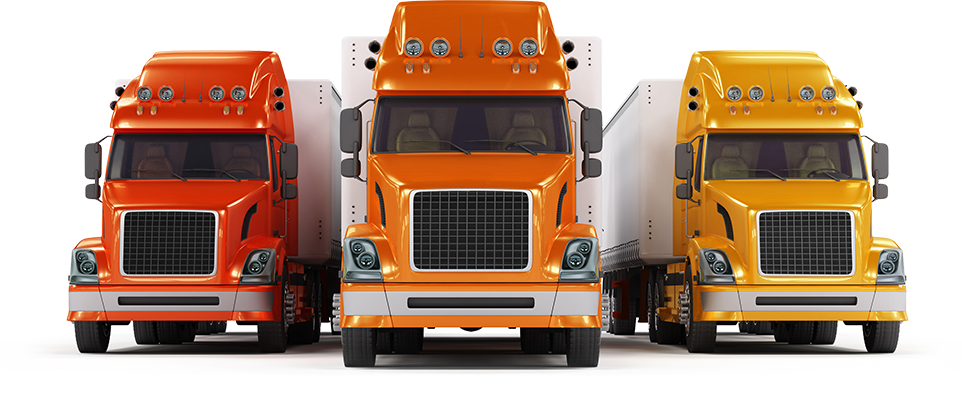
The combination of these prioritization metrics heralds historic change for the trucking industry. With AI merging in heavy-duty trucks, the idea of automation has become a reality, not in a futuristic way, but now. The most exciting development is the Volvo Vehicle for New Logistics (VNL) integration with Waabi AI Driver to make autonomous freight trucking a safe and scalable option.
For loaders ( shippers ) such as Dexter Dispatch Services, OTR brokers (carriers), and dispatch activity is changing the way freight is moved, transported, and transported. As automation becomes more prevalent, dispatchers, drivers, and fleet owners will need to adapt to new technologies while staying efficient and safe and profitable.
What the Volvo-Waabi collaboration means for the freight world, how concurrent zero-ablation is impacting carriers and dispatchers, and what the future holds for driverless trucking.

A Major Step Toward Driverless Freight
The collaboration between Volvo Autonomous Solutions (VAS) and Waabi, another company with artificial intelligence-based self-driving technology, is the first milestone in the freight sector. The partnership revolves around the implementation of the AI Driver produced by Waabi into the flagship of the VNL trucks manufactured by Volvo, which will result in the production of a revolutionary platform of autonomous freight transport.
Why This Matters
In terms of technology, Volvo has been delivering high tech solutions in heavy duty trucking for a long time such as safety sequencer systems and fuel-efficient engines. “With the integration of our AI engine, Volvo makes a leap one step further towards full automation, the truck could drive autonomously under certain conditions, especially on highways and long-distance transport.”
It is not just to develop a driverless truck, but to develop an autonomous freight system that is commercially viable, reduces the costs of operations, enhances safety, and supplies greater efficiencies for the supply chain.
This innovation brings together as:
- Volvo’s strong hardware and safety systems, as well as,
- Waabi’s machine-learning and advanced AI simulation capabilities.
developing an intelligent vehicle capable of decisions on its own in real time, as a human driver would – but quicker and more accurately.
What the Integration Means
Combining Waabi virtual driver and the Volvo VNL is not about driverless trucks, it’s just about adding capacity, and achieving greater reliability and creating smarter freight network.
1. AI-Driven Decision Making
Waabi’s “AI Driver” is programmed to perceive, predict and plan – all three things a human driver does when making choices on the road. It processes large amounts of real-time data with the use of sensors, radar, LiDAR, and cameras in order to use highways safely.
2. Scalable Simulation Training
Unlike traditional autonomous systems with millions of real-world miles needed in order to learn, Waabi stages its AI in virtual worlds that allow faster, safer, and more efficient learning. This ensures the deployment is scalable and minimises the testing risks.
3. Purpose-Built Autonomous VNL Trucks
Volvo’s engineering excellence is to ensure that these trucks are constructed with automation in mind. The new VNL combines redundant braking, steering, and power systems-all important aspects of making the system safe to drive.
Focus on Safety and Real-World Deployment
Autonomous trucking can only happen if trucking is made safer than it is driven by humans. Safety is where Volvo and Waabi brink.
Redundancy Systems
The self-driving Volvo VNL contains numerous pieces of backup equipment for steering, braking, and power – and if something goes wrong with one piece, another will take over immediately.
Sensor Fusion
AI is based on sensor fusion, where LiDAR, radar and cameras are used to see the environment in all directions and in any weather or light condition. This reduces the chances of colliding and blind spots.
Real-World Pilots
The partnership is shifting the closed-track testing to actual implementation on a few freight-tracks in the U.S. The area of emphasis is on high volume, predictable routes well suited to automation, such as long distance interstate highways.
FMCSA and DOT Compliance
Both companies take their compliance with regulations to heart. Stage 1 and Stage 2 emissions conform to FMCSA (Federal Motor Carrier Safety Administration) and DOT (Department of Transportation) safety standards and ensure the trucks make the required grade to conform to present and future legal requirements.
How It Affects Carriers and Dispatchers
Autonomous technology will not replace dispatchers – it will define their roles. Logisticsori will stay pure and service dispatching like Dexter Dispatch Services to coordinate mixed fleets (manual+autonomous) and guarantee goods efficiency.
1. New Coordination Models
As fleets start incorporating AI-powered trucks into their solutions, dispatchers will be enticed with the task to juggle between humans and ATUs. A human driver truck could be used to make pick-ups in town while a self-driving Volvo VNL drives the long-haul run.
2. Increased Efficiency
Autonomous trucks can work longer hours, with fewer breaks in between, and automatically optimize routes for trucks. For dispatchers, it ensures better scheduling, more accurate ETAs and less delays.
3. Enhanced Data and Visibility
Also, autonomous vehicles create granular data relating to routes, fuel consumption, and maintenance requirements. Dispatchers can utilize this data to make better decisions for loads on the road, backhauls, and to cut deadhead miles.
4. Training and Adaptation
Dispatchers will become AI supervisors – they will review route data, make sure that fleet is compliant, address exceptions when the AI truck requires human intervention.
The Role of Dexter Dispatch Services in the Autonomous Era
While automation is advancing, human dispatch expertise remains irreplaceable—especially during the transition. At Dexter Dispatch Services, our mission is to keep carriers and owner-operators prepared for the future by integrating technology into everyday operations.
We:
- Match carriers with optimized freight loads suited for both manual and automated fleets.
- Offer compliance support for DOT, FMCSA, and ELD standards.
- Use digital dispatch tools and data analytics to improve route efficiency.
- Help carriers adapt as AI technology becomes part of the long-haul ecosystem.
Even as automation grows, freight still needs human coordination—from load planning to communication with brokers, shippers, and customers.
Preparing for the Future of Freight
Automation doesn’t mean overnight change – it’s a revolution. Here’s what carriers, owner-operators and dispatchers may do now to get ahead:
1. Stay Educated
Understands new technologies entering the trucking space – AI, ELD integration, autonomous testing programs and digital load boards.
2. Build Tech-Ready Operations
Digitize dispatch workflows – to stay competitive use Electronic Logging Data (ELD), route optimization tools, and communication systems available in the cloud.
3. Focus on Niche Freight
Due to a number of reasons, not all freight will go autonomous right away. Specialized freight (reefer, flatbed, hazmat, oversized loads) will still require the very human judgment and skill – and dispatchers come in handy.
4. Partner with Tech-Savvy Dispatchers
Services such as those offered by Dexter Dispatch Services are helpful in ensuring that carriers can adapt by combining the best of both human experience and digital tools – so that you can remain profitable, compliant, and ready for when automation comes knocking.
The Road Ahead: Balancing AI and Human Expertise
The emergence of driverless trucks does not mean that human beings are irrelevant – it means that responsibility is shifting. As repetitive or long-haul routes are automated, human professionals will concentrate on:
- Managing complex freight
- Working Properly Through Exception or Interruptions
- Developing Relationships with Shippers and Brokers
- Checking Convergence of Technology with Safety and Satisfaction
In short, the future of trucking will be hybrid – a partnership of man and machine (AI and human).
Environmental and Economic Impact
1. Fuel Efficiency
Autonomous trucks operate with constant speeds, idling and acceleration are optimized – this saves a lot of money over time.
2. Lower Operational Costs
Lesser hours of fatigue, optimized transport route, and technology-based maintenance cuts downtime and increases assets utilization.
3. Sustainability
Driverless fleets could help reduce CO2 emissions as they limit driving that is not at optimal driving behavior green logics across the U.S.
Challenges Ahead
Despite excitement, several challenges remain:
- Regulatory frameworks still evolving for nationwide deployment
- Cybersecurity risks for connected vehicles
- Public trust and acceptance of driverless trucks
- Integration with mixed traffic environments
Yet, progress continues at record speed, with industry leaders like Volvo and Waabi pushing boundaries responsibly.
Keep Rolling While the Industry Evolves
At Dexter Dispatch Services, we believe progress shouldn’t pause your business. While AI trucks are being tested and refined, there’s enormous opportunity in today’s market for owner-operators and fleets to grow through efficient dispatching, reliable load coordination, and strategic planning.
We help drivers focus on what matters—keeping wheels turning, loads delivered, and profits steady—while staying informed about the technologies shaping tomorrow’s freight landscape.
Automation may change how trucks move, but dispatchers will always be the heartbeat of logistics—ensuring every load, whether human or AI-driven, reaches its destination safely and efficiently.
👉 Contact Dexter Dispatch Services at www.dexterdispatchservices.com or call us at [682-336-0385]