

One of the most critical aspects of a successful trucking business is maintaining a truck. For OTR drivers and fleet operators alike, the repair costs can take a huge cut from their profits if it is not taken care of properly. At Dexter Dispatch Services, we know that controlling the cost of maintenance and having your truck on the road is very important. This article takes a look at some practical ways to reduce the amount of money spent on repairs, some of the problems that most older trucks suffer from, tips on how to increase the life of your truck, and some of them on how to know when you have to repair your truck or replace it.
By facing these strategies, drivers and fleet managers can optimise truck volumes, cut downtime, and offset freight hauling costs.
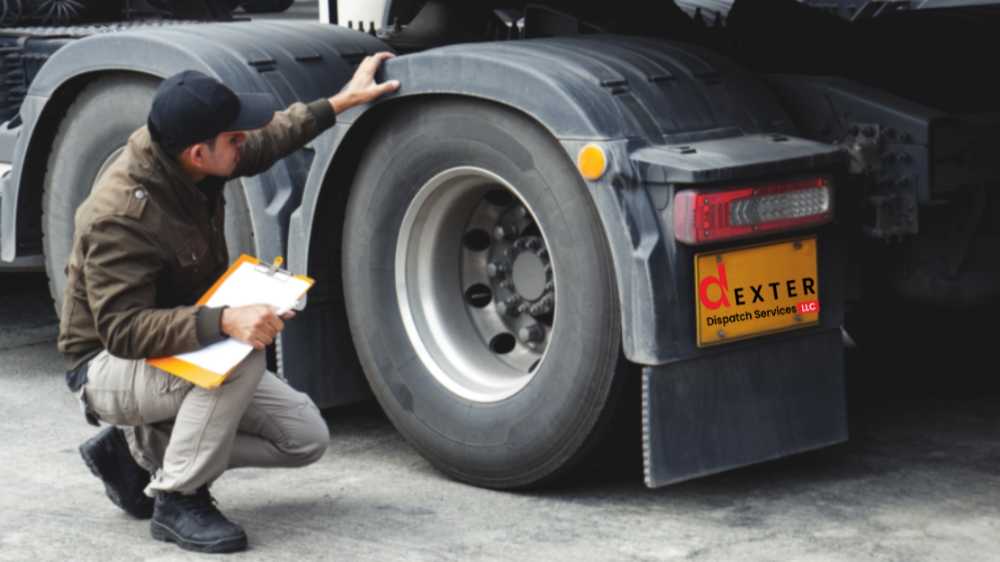
Common Repair Issues in Older Trucks
Older trucks are trusted trucks, but in the case of many like lead to recur problem in the trucks due to wear and tear. Being proactive and being aware of the common issues can help costly breakdowns from occurring.
Engine and Transmission Problems
- Engine wear: Older trucks tend to have brain-dead engine components, which means less efficiency and increased fuel costs. Making regular oil adjustments, keeping coolants up and getting your engine’s own diagnose before it is too late can prevent major corrections.
- Transmission problems:Transmission failure is a very costly repair. Signs include difficulty shifting gears, abnormal noises and slipping. Preventive maintenance and checking fluid maintenance are imperative.
Keywords naturally comprised of: truck repair, OTR drivers, and trucking maintenance.
Brake System Failures
- Brake pads and rotors: These components tend to wear out with time. Ignoring minor wear tends to cause complete braking failure.
- Air brake systems: For trucks with air brake systems, air brake leak hoses or truck air brake compressor failure will result in safety hazards due to air brake leaks and very expensive downtime.
Challenges Required In Electrical Systems
- Battery and alternator problems: Older trucks may have corroded connections or low batteries which may cause difficulty starting.
- Lighting and sensors: Gaiting lights or sensors not working can result in fines and costly diagnostics.
Worn-out Suspension & Steering
- Shock absorbers and struts: suspension worn out makes a vehicle have a lower quality ride, and the inevitable heartbreak of wearing out the tyres.
- Steering components: Tie rods, ball joints, power steering pumps, etc., are parts that require frequent replacement in older trucks to prevent being pulled in and out.
Tire Wear and Alignment Issues
- Uneven tyre wear: This is caused because of misalignment as well as improper inflation or because of worn suspension.
- Regular tyre inspections could prevent the possibility of blowing out and hence the replacement of tyres.
Cooling System and Radiator Issues
- Overheating: With the age-old radiators, you may find, they develop some of the issues with time and get leaks or clog.
- Coolant maintenance is very important in order to avoid damage of the engine.
Key takeaway: If you can understand these common issues, you can avoid major overhauls and that means you can plan preventive maintenance that will reduce the risk of these major repairs that can get in the way of running your trucking operations.
Tips for Longer Truck Life
Increasing the life of your truck is an economical method of minimising repair costs. Here are proven strategies:
Follow a Strict Maintenance Schedule
- Regular oil replacements, fluid and filter replacement keep your truck running at its peak.
- Maintaining maintenance records in detail, for compliance and to address recurring issues.
Monitor Engine Health
- Use of diagnostic tools to find any engine issues at an early consumption.
- Do not load excessively, putting excessive stress on the engine and transmission.
Maintain Tires and Brakes
- Turn over tyres regularly & Have the correct tyre pressure
- Inspect brakes regularly so as not to damage rotors/pads.
Guard Operation: Electrical System.
- Inspecting wire, batteries and alternators for wear
- Check and scrub all electrical connections to be untainted and unpainted.
Practice Good Driving traditions.
- Do not brake hard, accelerate fast and idle frequently.
- Smooth driving puts less stress on the engine, researchers transmission, suspension, and tyres.
Maintain the Truck Clean and Uncovered.
- Rust and corrosion are avoided when washing regularly.
- Shield accepted metal parts and undercarriage against road salts and garbage.
Leverage Technology
- Convert to a system based on telematics and fleet management software that tracks how the trucks are performing.
- Early detection of problems enables you to arrange the repair of issues before they become expensive.
Keywords were of course included: truck longevity, trucking operations, fleet maintenance.
When to Repair vs. When to Replace
Whether to fix up an older truck or invest in replacing it is a solution that needs to be made carefully to minimise the costs.
Value of Repairs vs. Value of Truck
- Calculate repair costs as a percentage of the market value of the truck.
- For repairs of more than 50 – 60% value replacement may be more economical.
Frequency of Breakdowns
- There are repeated failures, and they are symptomatic of problems that may not be entirely resolved with repairs.
- Long-term shutdowns lower productivity and freighter hauling profits.
Age and Mileage
- Trucks that have extremely high mileage may have more frequent, unpredictable failures.
- Evaluate life expectancy (based on normal wear patterns/ maintenance history).
Fuel Efficiency to Take into Account
- Older trucks do tend to use a greater amount of fuel.
- Investing in a newer and fuel-efficient model can lower the cost of operation and recoup the purchase price.
Safety and Compliance
- Trucks that do not adhere to the systems for safety or the regulations can be taxed or penalized in the insurance.
- Upgrading to a compliant truck guarantees safer operations as well as less liability.
Keywords included naturally: truck replacement, freight hauling profits, truck maintenance
Proven Ways to Minimise Repair Costs
Implementing cost effective strategies lets you achieve the most value from your truck without having to repair it when you don’t have to:
Preventive Maintenance Programs
- Regular inspections, oil changes and replacement of filters all avoid major breakdowns.
- Make up a list and stick with it on a regular basis to minimise emergency repairs.
Use Quality Parts and Fluids
- Investing in aftermarket parts, OEM, or quality, ensures less frequent failures.
- Cheap parts may be costing money in the short run, but they translate to higher costs in the long run.
Train Drivers on Proper Truck Handling
- Do not engage in aggressive driving, overloading, or allowing one’s engine to idle.
- Well-educated drivers reduce engine, transmission, brake and suspension wear and tear.
Leverage Dispatch Services for Smart Routing
- Reduce the time spent on rough roads and unfavourable circumstances.
- Optimised routes help in saving tyres, suspensions and also fuel consumption.
Maintain a Maintenance Log
- Keep track of all repairs and parts replaced and when services were done.
- Helps in predicting in advance future repairs while negotiating for better resale value.
Invest in Telematics and Monitoring
- Includes tracking of engine performance, fuel consumption or tyre pressure.
- Early alerts mean there are no expensive repairs and, as a result, less downtime.
Budget for Preventive Costs
- Set aside money to be used specifically for routine maintenance.
- Emergency repairs are much more expensive than prevention investments.
Natural included Keywords: preventive maintenance, trucking business, truck repair costs
Conclusion
Minimisation of repair costs to your truck is not about saving money; it’s about maximising uptime, productivity and profitability in your trucking business. By knowing what’s wrong with older trucks, it seems the solution would be to implement preventive maintenance, practice good driving habits, and know when to fix and when to replace, which will lead to smarter financial decisions for drivers and fleet managers when working with older trucks.
At Dexter Dispatch Services, we assist OTR drivers and fleet operators in making better use of their truck longevity, downtime and freight hauling efficiency. Applying some of these strategies will ensure your truck is not broken or hit and miss, and into every minute of a competitive logistics environment.
👉 Contact Dexter Dispatch Services at www.dexterdispatchservices.com or call us at [682-336-0385]