
The trucking industry is a field that is constantly changing. As 2025 approaches, we anticipate the emergence of several significant trends that will shape the future of logistics. For trucking operations, the coming years will present both opportunities and challenges.
Let’s explore the key developments expected to significantly influence the sector in the upcoming year. The article can offer insightful information about the changes and their effects on society and the economy.
Top Trucking Trends to Expect in 2025
The integration of cutting-edge technologies is driving change in the trucking industry. These shifts may lead to innovations, alter how businesses operate, and necessitate greater flexibility.
Comprehending possible major trends in the trucking industry in 2025 guarantees that we are adequately equipped to maintain our competitiveness and achieve success in the upcoming year.
Rise of Autonomous and Semi-Autonomous Trucking
The rise of self-driving cars is one of the most exciting trends to look forward to. This technology is expected to change the way goods are moved by making it less dependent on people, more efficient, and less expensive.
Fully self-driving trucks won’t be common for a few more years, but semi-autonomous technologies are becoming more common in the market. They come with things like lane-keeping help and automatic braking. The expected effects of self-driving cars can be many different. For example, it could help with the shortage of truck drivers, make things safer, and make more room for goods.
Companies must also ensure the safety of their drivers, the public, and the goods they transport. This means that people need to be able to take control of the car when necessary. Even though things are getting better, the sector still has problems to confront, such as getting regulatory approval and the pressure to add these new technologies to systems that are already in place.
Increased Use of Electric and Alternative-Fuel Vehicles
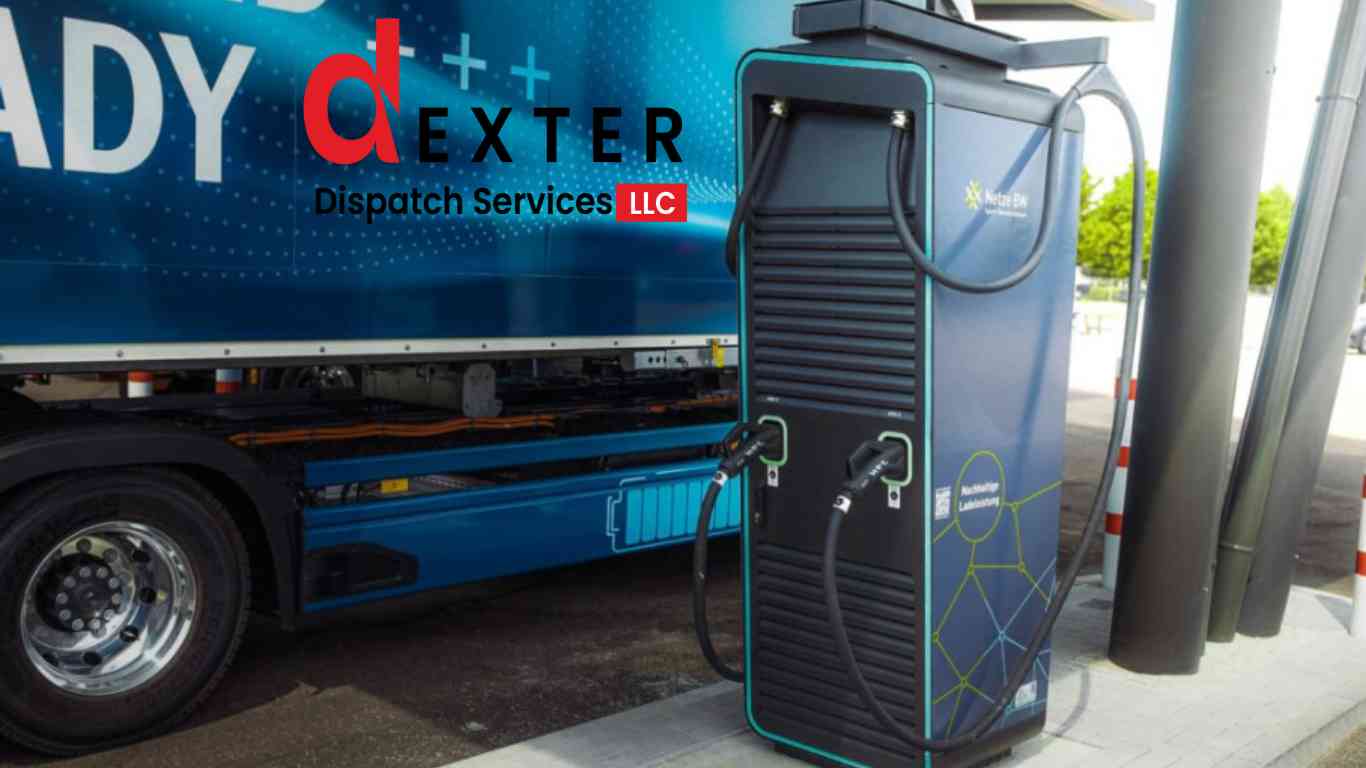
Different industries, including trucking, are starting to pay more attention to sustainability. Because of this, electric vehicles (EVs) and vehicles that run on alternative fuels are becoming more popular. These trucks are supposed to help lower the amount of carbon they leave behind. This aspect is very important for businesses’ ability to compete because customers and retailers want more environmentally friendly ways to get around.
As technology grows better, electric trucks are expected to keep getting more popular. They are a more cost-effective and environmentally friendly alternative to traditional models. For example, vehicles that run on hydrogen and compressed natural gas are likely to become more popular. But businesses may run into problems, like needing charging stations and longer fuel ranges for long trips.
Addressing the Driver Shortage
One of the biggest problems the intruder faces these days is a lack of truck drivers. As the need for cargo transportation grows, so does the need for drivers who are experienced and dependable. Companies are under pressure to discover ways to encourage drivers to stay with them.
Their efforts could mean giving drivers better pay, better working conditions, and more chances to work. The growing demand for and use of self-driving cars may also help solve this problem by cutting down on the number of drivers needed. In the near future, though, people will still need to drive.
Data-Driven Decision Making and Predictive Analytics
As technology becomes more common in the trucking industry, data-driven decision-making and predictive analytics are likely to become more common as well. Many companies want to make their operations as efficient as possible, from making sure that routes are as efficient as possible to keeping an eye on fuel use and planning for maintenance.
AI and machine learning are becoming more popular because they help businesses make better decisions and predict market trends. With this information, trucking companies can get ahead of the competition, cut costs, and make their operations run more smoothly.
Real-Time Monitoring and Enhanced Transparency
Real-time shipments are necessary as more people ask for transparency in the supply chain. Companies can keep an eye on their trucks and goods in real time with telematics and IoT-based systems. This ensures timely deliveries and customer satisfaction. You can make faster, more accurate decisions with real-time data. The result helps cut costs and avoid delays.
Real-time tracking of shipments is essential for businesses and retailers. This makes customers happier and helps find possible problems. It also ensures that deadlines are met.
Globalization and Cross-Border Logistics
The trucking industry is changing because the economy is becoming more global. These days, goods cross borders more often, which usually means using more than one mode of transportation and making sure the paperwork is correct for customs clearance. The rise of online shopping and the need for faster and more efficient delivery are pushing the need for new ideas.
Businesses need advanced systems to keep things running smoothly and efficiently because they have to deal with different rules and compliance standards in different places. Technology will be crucial in making the customs and regulatory process easier and speeding up the movement of goods across borders.
Customer-Centric and Agile Supply Chains
The trucking industry’s future is more and more about what customers want. As the trucking and retail industries work to meet customers’ demands for faster and more reliable deliveries, supply chains will become more flexible and able to respond quickly. As e-commerce has grown, so has the need for faster delivery times. To keep up, businesses need to improve their logistics and offer more flexible delivery options.
By 2025, we should see more technology that makes supply chains more flexible. This includes making last-mile deliveries better and giving customers more personalised services. To stay competitive in the market, you need to be flexible, open, and able to give real-time updates.
Conclusion
The trucking business is constantly changing because of new technologies. The industry could see new trends in 2025, such as the rise of self-driving cars and the use of electric trucks.
There are many chances, but it will take careful planning and flexibility to deal with the driver shortage, find a balance between safety and innovation, and keep up with the fast-changing global economy.
Partnering with experienced logistics companies like Dexter Dispatch Services can make a big difference for businesses that are dealing with these changes. We specialise in providing customised trucking solutions that keep things going smoothly, boost productivity, and maximise profits. Contact us today to find out how our knowledge can help you stay competitive and do well in the changing trucking industry!
👉 Contact Dexter Dispatch Services at www.dexterdispatchservices.com or call us at [682-336-0385]