

The trucking industry in the US is a big part of the American supply chains, moving goods over long distances every day.
The sector faced many problems in the years leading up to 2025, including a lack of workers, changing fuel prices, and stricter rules. The article discusses the biggest problems that have shaped the trucking industry in 2025 and the chances that will shape the trucking industry forecast for the fall of 2025.
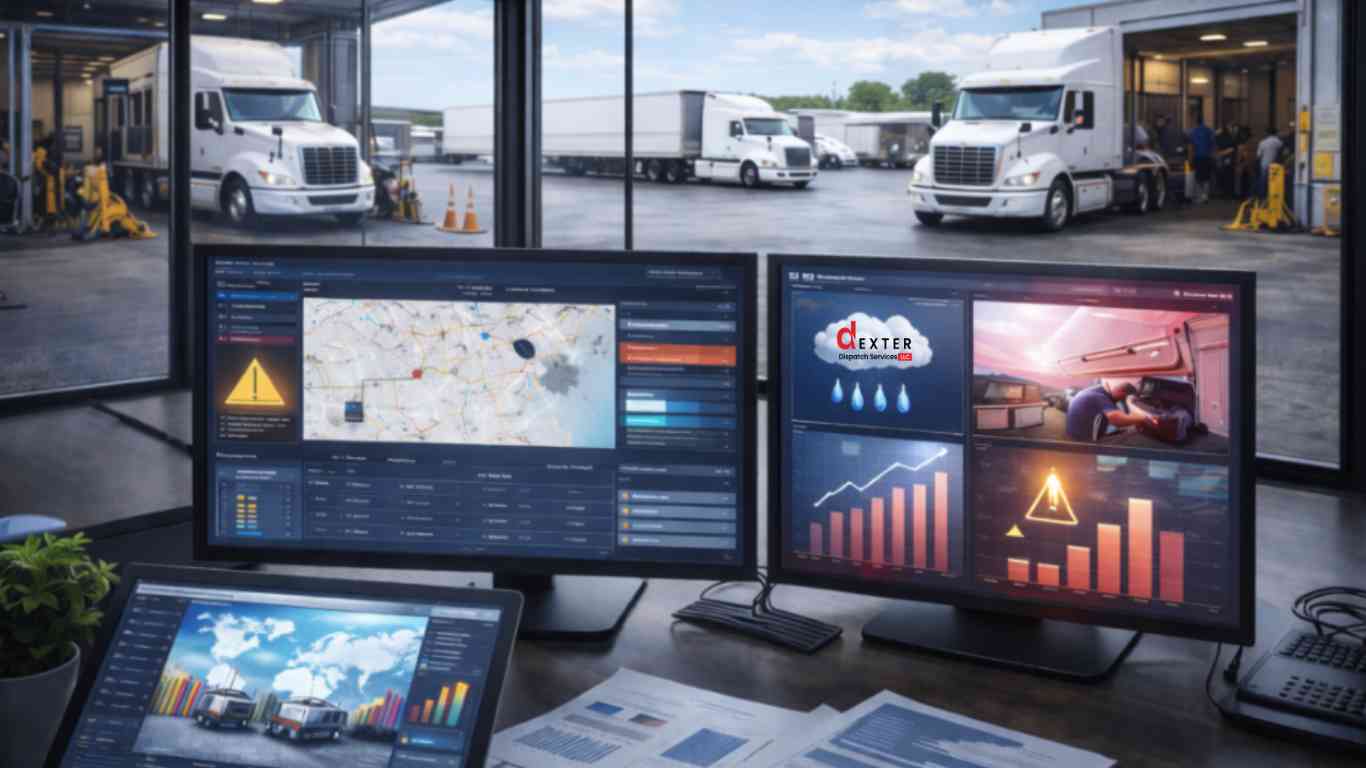
8 Challenges Facing the US Trucking Industry This Year
The US truck transportation market is important for the economy because it keeps goods moving smoothly throughout the supply chain. But in 2025, the trucking industry had many problems, including economic problems, changes in technology, and rules that were hard to follow. These problems affected truck drivers, transportation companies, brokers, and the freight ecosystem as a whole.
To deal with these problems, fleet managers, truck drivers, shippers, and industry advocates will need to work together in the fall of 2025.
Economy
The US truck transportation market is important for the economy because it makes sure that goods move smoothly through the whole supply chain. But in 2025, the trucking industry had to deal with many problems, including economic pressures, changes in technology, and rules that made things harder. These problems affected truck drivers, transportation companies, brokers, and the whole freight ecosystem.
To solve these problems, fleet managers, truck drivers, shippers, and industry advocates will need to work together in the fall of 2025.
Truck Parking
Since last year, truck parking has become more important. There aren’t enough good places to park along important shipping routes, which has made operations very difficult. This problem has also made it more dangerous for drivers, since trucks have to park in unsafe or undesignated areas.
Some people in the trucking industry asked the government to start a federal funding program to make more room for trucks to park at important freight locations. The US Department of Transportation (DOT) has announced that it will give out about $292 million in grants to make more room for trucks to park in Washington, Oregon, and California.
Lawsuit Abuse Reform
In 2024, the trucking industry will face another big problem: more and more legal judgments that make it hard for trucking companies to stay financially stable. This year, lawsuit abuse reform was the most important issue in 20 years.
The American Transportation Research Institute (ATRI) report stressed how more lawsuits and settlements against the industry have affected commercial auto insurance rates. For instance, these lawsuits drove some small businesses and owner-operators out of the market.
Currently, some trucking groups are working to get changes made that will cut down on pointless lawsuits while still holding carriers accountable for real problems.
Insurance Costs
In 2024, the cost of insuring big trucks went up a lot. This increase happened at the same time as more accident claims, nuclear verdicts, and regulatory demands. These rising costs had an effect on everyone in the trucking market.
To deal with this financial burden, trucking companies began using advanced safety monitoring systems to improve driver safety records. This, in turn, helped lower insurance rates. Furthermore, using real-time visibility tools makes incident management more proactive and operations run more smoothly, which lowers the chances of claims.
Driver Compensation
Driver pay went up overall over the course of the year, but not all drivers saw the same increase. For instance, the smaexpensesfleets saw a small drop in wages.
Also, the problem of fair pay for drivers is still not solved. Many truck drivers have trouble balancing their hard work schedules with their pay rates, especially as inflation raises the costs of running a business.
Companies are also having trouble finding new workers to replace older drivers who are retiring, which makes the driver shortage even worse.
Battery Electric Vehicles
Despite the industry’s dedication to addressing environmental issues, trucking companies faced stringent deadlines for electrifying their fleets. This plan has issues, like the high cost of BEVs and needing more trucks to move the same cargo.
Concerns about the availability of charging stations and the suitability of BEVs for long-haul freight trucking also exist.
Fleet managers see BEVs as both a chance and a logistical problem. It needs a change in infrastructure, training for employees, and planning for the long term. But electric trucks could change the future of the trucking industry because they can be cheaper.
Compliance, Safety, Accountability (CSA)
The Federal Motor Carrier Safety Administration (FMCSA) runs the CSA program, which was a big deal in the industry in 2025. Trucking companies had to deal with more scrutiny because safety standards and performance metrics were always changing.
Businesses that don’t follow the CSA program often have to pay more for insurance and face fines from the government. Some businesses used AI or cloud computing tools to make compliance management easier and make sure their processes followed federal and state laws.
Driver Shortage
The driver shortage crisis made the trucking industry’s older workers even older, and fewer new drivers came in. This year, the growing gap between available jobs and trained truck drivers made people worry about the future of the transportation industry. For instance, there are 60,000 professionals who need help. As demand for freight goes back up and older truck drivers retire, this number will go up.
The job’s demanding nature made it even harder to find people to hire. Many companies have started programs to reach out to younger people, women, and veterans in order to increase the number of people who can work for them. The American Trucking Associations, schools, and state programs working together to get more people interested in becoming truck drivers is a good idea.
2025 Fall Trucking Industry Outlook
As we enter the fall of 2025, we expect the trucking industry to see moderate growth in the freight transportation sector. Trucking companies need to carefully balance predicting demand with managing costs well to deal with the problems in the market right now. Even with these problems, there are still chances for growth, especially if you use new technologies and environmentally friendly methods.
Investing in technologies like real-time tracking, route optimization, and cloud-based management systems is likely to be a major factor in making operations more efficient. These tools help carriers get more done, cut down on delays, and stay ahead of the competition in a complicated logistics environment.
At the same time, the industry is moving more quickly toward electric trucks and operations that are better for the environment. This is in line with government rules and the growing demand from customers for greener supply chains.
Ultimately, the ability to deliver goods punctually and consistently will remain a crucial component of success. In the fall of 2025, the best carriers will be the ones that always meet customer expectations for speed and reliability.
Conclusion
In 2025, the U.S. trucking industry will face many problems that will affect its performance, profitability, and long-term viability. Carriers of all sizes have to deal with many problems, like economic pressures, changes in the freight market, a lack of drivers, rising operational costs, and rules they have to follow.
At the same time, new technologies and efforts to make things more environmentally friendly, like real-time tracking, route optimization, and electric trucks, can help companies become more efficient and gain an edge over their competitors. Keeping deliveries on time, safe, and with outstanding customer service is still the key to success.
In the end, the carriers, fleet managers, brokers, and shippers who take the initiative to deal with these important issues—by using new technologies, improving operations, training their workers, and using environmentally friendly methods—will be the ones who do best in the trucking industry as it changes quickly. The leaders in the U.S. trucking industry from now until 2025 and beyond will be those who can find a balance between managing costs, following the rules, and providing outstanding service.
👉 Contact Dexter Dispatch Services at www.dexterdispatchservices.com or call us at [682-336-0385]