

Hotshot trucking is one of the fastest growing and profitable areas of the logistics industry. It provides flexibility for the business owners and independent drivers.
However, a successful hotshot business needs careful planning, adherence to industry standards, and effective financial planning. This guide presents the important elements of launching and operating a hotshot hauling business.
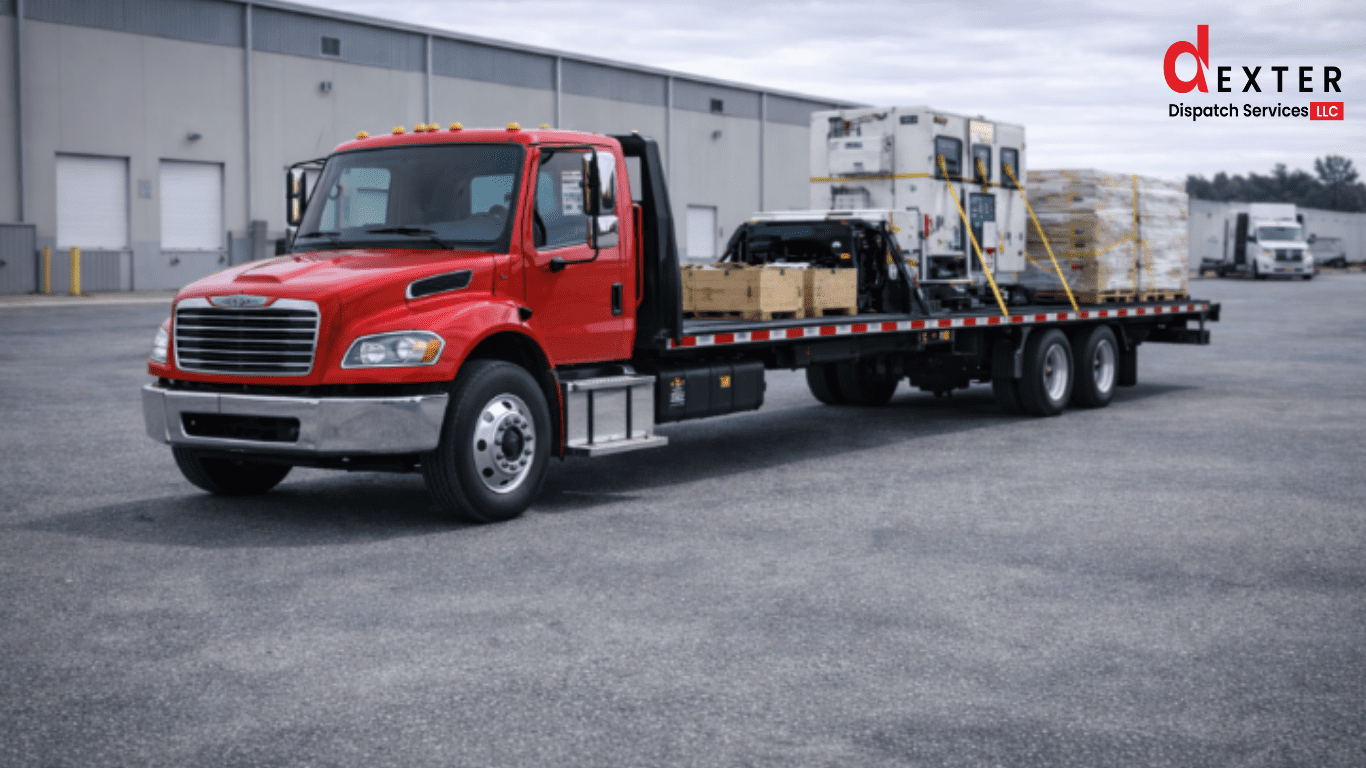
What is Hotshot Trucking?
Hotshot hauling is the part of the trucking industry that anticipates transportation of small loads on short distances. It’s usually used for time-sensitive loads for businesses that require them to be transported quickly.
Hotshot trucking offers greater independence to drivers, who can schedule their time and pick up loads in accordance with their preference. Customers are also beneficiaries of the expedited service.
Hotshot hauling anticipates smaller trucks and reduced cargo which is suited for those wishing to get into the industry without much investment. Hotshot transportation’s operational costs are also less than a full-sized truck. However, drivers should be reliable and meet tight deadlines.
Is Hotshot Trucking for You?
Hotshot trucking provides drivers with independence and flexibility. In particular, in this sector, it is possible to control the planning and select the loads. Hotshot trucking needs less initial investment than regular trucking. To get your business going, all you need is a good truck and a trailer.
This career choice is for the people who prefer shorter pathways and different work. However, it still needs a lot of responsibility and stout land management to ensure on-time delivery of goods and safe transport of cargo.
If you value flexibility, enjoy different projects, and are willing to tackle the challenges, then hotshot trucking is a great fit.
Market Demand and Profitability
Hotshot trucking is needed in industries due to their need for rapid and flexible delivery services. Industries such as construction, oil and gas, agriculture, and manufacturing require the need for expedited equipment shipments on a regular basis. Thus, the demand for the hauling of hotshot is still strong.
Profitability of the sector is determined by load availability, efficiency of routes, and cost. As hotshot trucks usually offer faster deliveries than standard freight, drivers are able to receive higher per-mile rates. However, fuel, maintenance, and insurance costs may hurt profit if not handled effectively. Hotshot truckers also should be aggressive in securing loads to ensure that they have a stable cash flow.
Seasonality may also affect profitability as demand may vary. In particular, the construction industry may offer more demand in warmer months, or agriculture may need more shipments during the harvest seasons.
Financial Preparation
Entering into hotshot trucking needs preparing financially just like any other business. Hotshot hauling start-up cost is less than the full size trucking. However, it can consist of a lot of expenses.
- Initial investment. The first is to acquire a truck and trailer either by purchase or by lease. Consider what type of cargo you are going to be hauling. Permits, licenses and insurance costs should also be included in your budget.
- Operating expenses. Fuel, maintenance, licenses and insurance costs are the major component of operational expenses. It’s important to put a portion of your money aside for the unpredictable expenses.
- Financial management. Cash flow management is very critical for any company. Clients may make payment delays while fuel or maintenance expenditures are immediate. You can avail of factoring services in order to get prompt cash. dexter dispatch services offers freight factoring services to help you pay for operational costs.
- Reserves. Setting aside a portion of your revenue is necessary to cover unexpected repairs, slow time periods or other emergencies.
- Pricing strategy. You have to set rates based on market and your expenses. A reasonable profit margin allows you to stay competitive.
Legal Requirements and Licenses
When launching any business in the trucking industry, you must follow the law and obtain the required licenses and permits. This helps in reducing the risk of fines or penalties and also helps in ensuring that operations do not suffer any disruptions.
- Commercial Driver’s License (CDL). Hotshot trucking may not require a CDL, as this rule is dependent on the weight of the truck. A CDL is needed for vehicles that weigh more than 26,000 lbs.
- Motor Carrier (MC) Number. An MC number is a number issued by the Federal Motor Carrier Safety Administration (FMCSA). It’s required for drivers who are planning to move cargo or passengers between states.
- USDOT Number. It’s required for those vehicles that are engaged in interstate commerce. The number is a tracking number to keep tabs on your company’s safety record as well as conformity with regulations and operation data.
- Insurance. Truckers should invest in the right insurance. Choose options that include liability, cargo, and physical damage.
- Permits. Some states may require extra licenses and other registrations. Examples include the International Fuel Tax Agreement (IFTA), which is not required by businesses in Alaska and Hawaii, and Unified Carrier Registration (UCR). Make sure you follow the standards set for the particular state.
- Compliance with FMCSA rules. One of its major requirements is the Hour of Service (HOS) rule. These rules help to prevent fatigue among the drivers and ensure efficient operations. GMCSA also has that you have to keep accurate records and do regular inspections of your vehicles.
- Tax ID. For taxing purposes, you will need to get an Employer Identification Number, which is called EIN. It will make your financial management easy.
Setting Up Your Business
We come up with a guide to get you started in the hotshot trucking sector:
- Choose a structure of your business. The alternatives include a limited liability company (LLC), corporation, partnership, or sole proprietorship. Each structure has some benefits and drawbacks as far as liability, taxes and regulatory standards are concerned. Usually, truckers will use an LLC structure for liability cover and an easier management model.
- Register your business with the appropriate state authorities when you have chosen a structure. It requires the required paperwork and payment of a registration fee. You should also get an EIN to enable you to hire employees and pay taxes.
- Open a business bank account. It will make it easier for you to track your expenses as well as your income. Separating personal and business accounts also makes financial management easier.
- Secure financing to overcome unexpected expenses You can take a business loan, credit, or a lease. Compare interest rates and repayment terms as well as the overall costs to find the most profitable for you.
- Obtain necessary licenses. You should have all the necessary licenses and permits to ensure that you have legal operations. For example, it includes a CDL, USDOT and MC numbers, and state-specific permits.
- To protect your business, ensure that your insurance is covered. Finding the best rates & best coverage of liability, cargo & physical damage.
- Establish good relationships with brokers, shippers, and local businesses. Joining load boards and networking with the sector professionals can help to get more consistent work and get valuable advice.
- As your business grows, you might want to expand your business operation by increasing the number of staff or changing the kinds of loads you carry.
Building and Managing Your Fleet
Building and managing your fleet involves fair planning and taking determined decisions. A well-maintained and efficient fleet is critical in the safe and reliable shipments.
- Vehicle selection. Choose cars based on the type of cargoes that you wish to be pulled. Focus on reliability and fuel efficiency levels and the ease of maintenance in order to reduce downtime and costs.
- Fleet financing. You can pay for your fleet through loans or leases. Leasing options have more flexibility and purchasing can be more effective in the long run.
- Maintenance. Have a regular checkup of your vehicles. Come up with trusted mechanics or hire a repair in-house staff.
- Software leverage. Employ fleet management technologies, including GPS distributed fleet tracking technology and maintenance reminders. It can help find the optimal routes, save money on fuel and make things more efficient.
- Managing drivers. Hire the services of experienced specialists with the needed skills and licenses. Give them full training about the safety, operating their vehicles and regulations.
- Cost management. Track your fuel cost, maintenance cost, insurance cost, workforce, and your license cost. Define ways to reduce cost (i.e., help make driving more fuel-efficient, optimize route).
- Regulations compliance. Ensure the complying the industry standards. Regular audits can prevent the fines and disruptions of operations.
Finding Loads and Clients
Searching for loads and the securing of orders are vital to a stable income. You can use load boards or form good relationships with local businesses. dexter dispatch services can help you in finding loads, provide you with the best possible options.
Use load boards. Monitor load boards such as DAT and Truckstop.com. Such platforms can help you to find a suitable option. Load matching apps like Truxx.ai and Convoy help you match loads and can make your life schedule more efficient and save you time.
Connect with brokers. So partnering with freight brokers makes it easier to hook up to consistent and remunerative loads.
Connect with shippers. Establish relationships with shippers through networking and outreach this can lead to long-term contracts. You might also consider niche markets where there is a greater demand, such as specialized articles of equipment or time-sensitive transportation.
Ensure your online presence. Create a professional website and have active social media. Provide your services & positive feedback.
Join industry networks. Participate in industry associations to get access to loads exclusive and valuable connections.
Operational Considerations
Efficient management would be key when running a successful hotshot trucking business. In order to keep up competitiveness, you should ensure your business efficiency and your compliance.
Plan routes carefully so that you minimize fuel costs and offer faster deliveries; you can apply GPS and optimizing tools for that. In addition, time management and compliance with the rules of HOS are important in order to avoid penalties.
Another necessary aspect of keeping unexpected expenses down is fuel economy and servicing of trucks on a regular basis. Efficient route planning will save fuel, whereas maintenance activities will reduce truck downtime.
Proper cargo management ensures that proper handling of the goods is being done in order to avoid any damage and accidents.
Compliance with FMCSA laws and communicating with customers is also crucial for smooth operations. This includes licenses, permits, insurance, and vehicle inspections.
Financial Management
Effective financial management is the key to ensuring the continuity and growth of operations. You should keep track income and expenses in order to help understand cash flow and where improvements can be made. Be able to use accounting software to monitor accounting invoices, payements and running costs.
In addition, reserve funds can be used to cover emergency expenses. This can be fuel costs, maintenance, insurance or repairs. This can ensure that there are no disruptions to your operation, which can be a fast response to any problem.
Safety and Compliance
Safety and compliance with regulations are aces in the logistical field. Hotshot trucking also needs this. It is very important to adhere to FMCSA regulations, which include rules on HOS, licenses, and permits. Inspect your vehicle on a regular basis to ensure police trucks run efficiently and are in compliance with safety rules.
The other important requirement is driver safety. You should assign trainings on the safe driving practices, cargo securing, and emergency procedures to minimize risks. If you are a fleet, it is important to conduct such training for your fleet drivers.
Maintain accurate records of all the compliance activities in order to be prepared for audits. In addition, it will help to avoid penalties.
Conclusion
Hotshot trucking provides many opportunities to drivers. It offers greater flexibility in the choice of loads and in setting the schedule. However, it may also present some challenges. You would need to have knowledge of market demand and properly oversee your operation to make sure that you are profitable and sustainable.
It is important to also have effective financial management, prioritize safety, and adhere to regulations for long-term success.
We at dexter dispatch services is ready to help you in this way. We offer a constant stream of opportunity and growth to your trucking business. Contact us today and ease your trucking!
👉 Contact Dexter Dispatch Services at www.dexterdispatchservices.com or call us at [682-336-0385]