
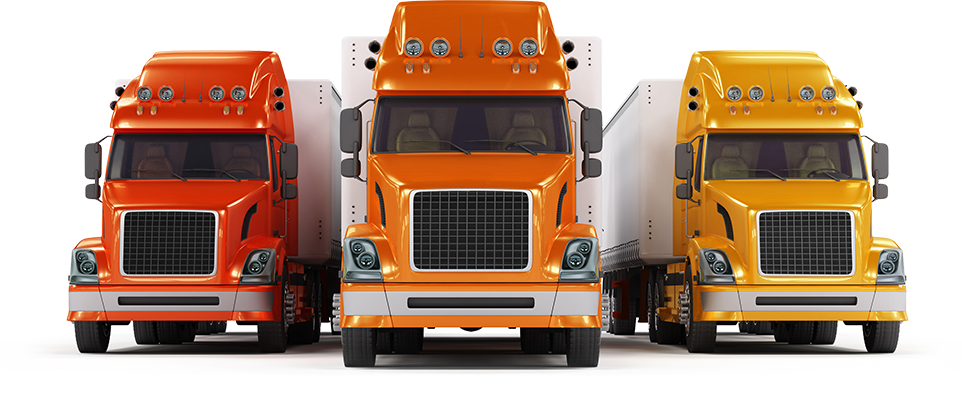
The multifunctional stack trailer can carry a variety of items. From packing up household items to food and beverages and so much more, your business has the freedom to pack anywhere with this essential tool. Not only does it guarantee the safe transportation of goods, but it is also a viable, cost-effective dry van pallet option for pallet loads transported in dry van trailers.
Regardless of the nature or volume of your cargo, the efficiency of your dry van freight transportation ultimately hinges on meticulous planning and a clear understanding of dry van logistics. This article explores the 53-foot trailer and how many pallets it can hold. It offers tips for maximizing dry van freight transportation, accounting for dry van size and height.

What Are the Dimensions of a 53 Foot Trailer?
What sizes are commonly used for trailers in the shipping industry? Some companies opt for the 48-foot size, while the 53-foot is preferred for loading pallets onto trucks. These 53-foot trailers are ideal for carrying several pallets. They are frequently seen on American highways.
To determine the dimensions of these trailers, it’s important to consider the factors;
Maximum tallness: The maximum cargo height is usually between 108 and 110 inches or 9 to 9 feet two inches. The 108″ size is typical.
Width: The entire cargo width ranges from 98 inches to 100 inches, or 8 feet 2 inches to 8 feet 4 inches. One hundred inches is the width measurement.
Maximum extent to length of 53 feet or 636 inches.
Weight: Most of the time, the weight capacity is 42,000 to 45,000 pounds. It may differ depending on the trailer and the type of load it’s carrying.
Please be aware that those larger than the above cannot be shipped because they won’t sit securely in a truck bed. If your freight is oversized, overweight, or difficult to load safely, the main takeaway is to plan the shipment right before pickup. What loads it may require, securement expectations, and realistic delivery time expectations.
Loading Pallets: Four Methods for Utilizing a 53-Foot Trailer
In recent years, the number of people seeking dry van trailer space and semi-trailer pallet capabilities has risen dramatically, but supply has not kept pace. Without proper pallet loading and shipment planning, there’s a risk of overpaying. Getting a suitable dry van that meets your needs is difficult and will not get easier anytime soon.
There are, however, some strategies available to maximize the trailer’s space, most of which involve different pallet-loading approaches. All of these strategies rely on the size and weight of the pallets used. Let’s explore these tactics further.
Straight Pallet Load
If you’ll be loading standard-sized pallets, the exact number of pallets that can fit in a 53-foot trailer varies. When this happens, using a straight loading pattern is a good idea, as it is the most common method for maximizing space in a trailer. This way, the goods are loaded straight into the trailer, leaving plenty of space to fasten the pallets.
The main benefit of using a straight pallet load pattern is that it’s the fastest way to load compared to other patterns. Besides, in high-volume shipments, a significant number of pallets can be loaded at once, depending on the length of each pallet. However, a potential drawback of the straight pallet load is that there’s a higher likelihood of pallet movement during transit.
Turned Load for 53 Foot Trailer
For non-standard-sized pallets, it is recommended to use the turned-pattern freight-loading system. The pallet stacking strategy may allow more shipments to be delivered in the same space. The main benefit of installing pallets lengthwise is that it reduces movement during transit, making the goods more secure. However, it’s crucial to ensure safe unloading on both sides when adopting this approach.
Pinwheel Load
When you’re looking to fit a lot of items into your shipment, it’s an idea to use a pinwheel pallet pattern. It allows for packing in pallets as much as possible, utilizing the width and length of the trailers. Additionally, arranging the pallets in this pattern helps improve stability during transit. As an added note, installing the pinwheel pallets takes time, and they are certainly not advisable for shipments with a short turnaround.
Weight Distribution Freight Load
On a semi-tractor and trailer, it is illegal to ship a load that is over 80,000 lbs. Though this weight may seem high, it includes the machinery and pallets.
The average weight for a semi-tractor is 18,000 to 21,000 pounds, and the dry van trailer is another 15,000 pounds. As a result, there is limited space for additional semi-trailer pallets. Once these weights are subtracted, you can see that about 44,000 to 47,000 pounds of palletized goods remain.
It is important to remember that using the entire load weight on the rear axles of a trailer is unsafe and makes the truck more difficult to maneuver. Single-axle dry vans can carry approximately 20,000 lbs. over the axle, and tandem-axle trailers can carry 34,000 lbs. over the axle. Weight distribution will vary depending on factors such as the number and placement of axles and tire width.
However, for heavy freight loads transported on pallets, space restrictions often limit the number of pallets that can be used.
Why Trailer Space Planning Matters (Beyond “Fitting More Pallets”)
Optimizing dry van space isn’t only about loading more; it’s about preventing costly issues on the road.
Some consequences of a poor loading plan are:
- pallet and load shifting
- loads that were dropped at either a pick-up or delivery point.
- risks of delays, additional labor time, and detention.
- weight distribution issues that lead to safety concerns
- A basic loading plan can save you time, tools, and weekly earnings.
What is the Maximum Number of Standard Size Pallets that can Fit in a 53-Foot Trailer?
The number of pallets that can be accommodated on a 53 ft dry van trailer varies depending on the pallet sizes utilized. This is because loads are often transported on dry vans with varying end pallet sizes. Let’s look at this scenario with the most common pallet size, though.
The Grocery Manufacturers Association Pallet (GMA) is most commonly used and is sized at 43” x 40”. Designed to meet food industry standards, these pallets are engineered to withstand dry van conditions. With a straight stack, these pallets will be 26 wide in a dry van.
These can be a turned or pinwheel pattern, and the number of pallets accommodated can be 28 to 30, plus the space in the trailer, versus a straight loading pattern.
Before shipment, it’s crucial to prepare a pallet-loading diagram to minimize costs and ensure the safe, efficient use of load capacity.
Conclusion
When you’re using your dry van, it’s important for the undertaking to be successful, which means planning everything properly, particularly with dry load trucking in mind. Loading your products safely and efficiently will ensure a smooth transport process. It’s important to plan your pallet diagram well in advance to arrange your pallets in the most optimal pattern, considering the types of dry van trailers. Note that a pinwheel pattern helps maximize space but adds additional time to loading.
Smart loading and weight distribution are key to having profitable weeks if you are running a dry van — after all, they impact your downtime, delivery performance, and how well your loads go.
Logity Dispatch assists owner-operators and small fleets with load planning and dispatch support to ensure cleaner routes, avoid stop-and-go,avoid stoppages, and focus on driving.
tact Dexter Dispatch Services at www.dexterdispatchservices.com or call us at [682-336-0385]