
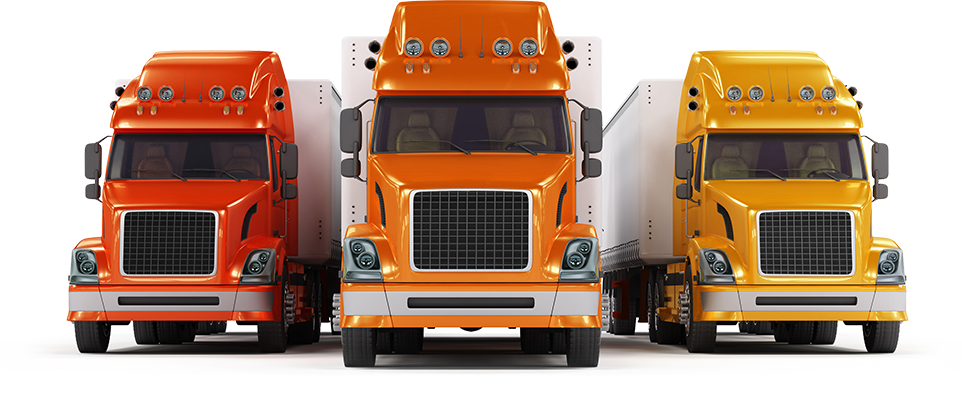
Selecting the type of trailer is very important when moving freight. Two popular types of trailers in the form of trucks are flatbed trailers and dry van trailers. Both transfer goods from one place to another, however, they both look different, use different, have different rules and face different working problems.
This article explains the difference between flatbed and dry van trucking, this way, the readers can see how they both works, what kind of cargo are transported by them, and what type of cargo is better to use.
What Is Flatbed Trucking?
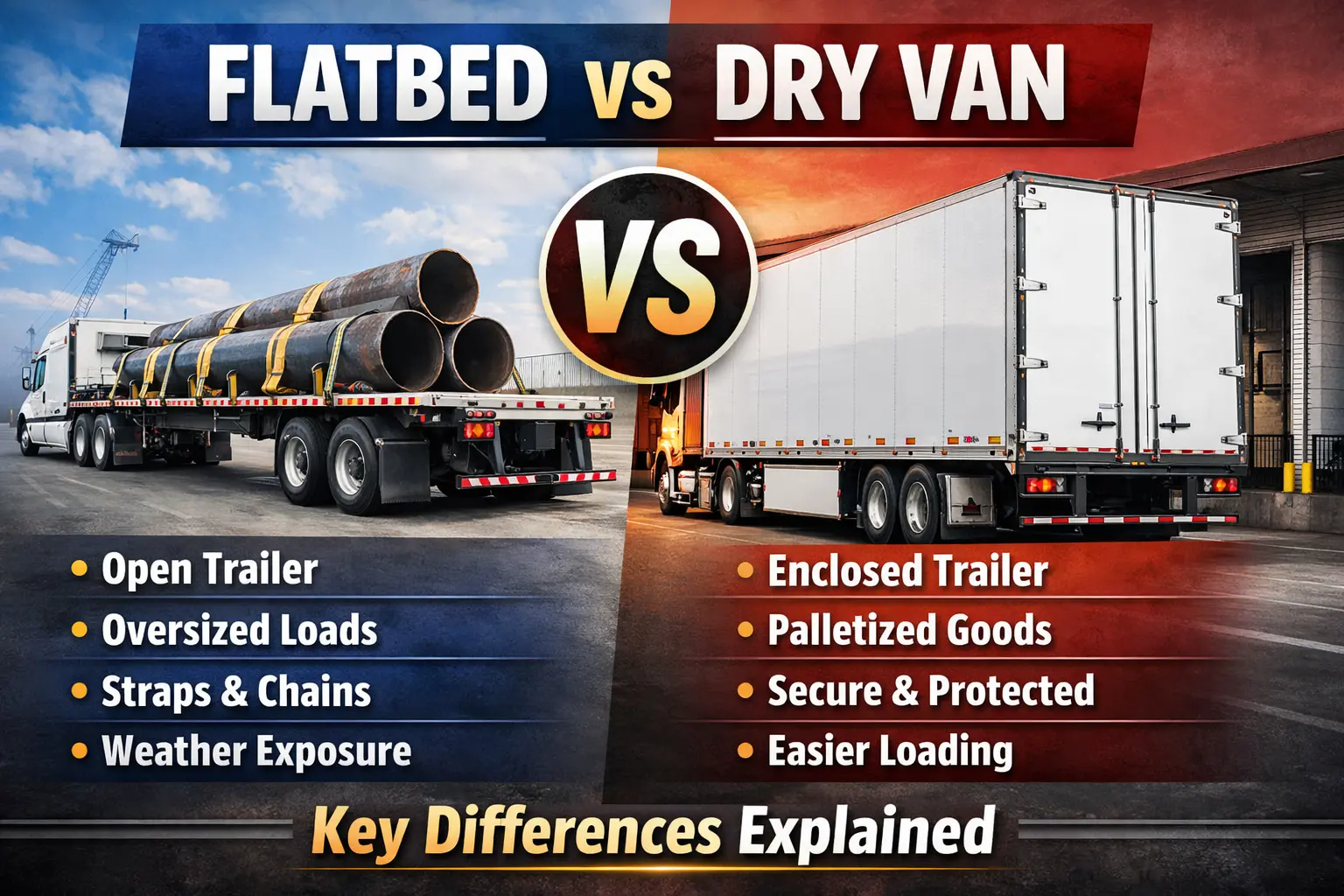
Flatbed trucking involves the use of trailers with an open deck, having no sides and roof. The cargo is placed on the flat surface and secured using straps, chains, binders, and tarps. As there are no walls, you can load the merchandise from the top, the sides, or from the back.
Flatbed trailers can often be used to transport large and heavy items or oddly shaped items that don’t fit in an enclosed trailer.
Shared Characteristics of Flatbed Trailers
- – Open deck (no walls or roof)
- – Standard length: 48–53 feet
- – Can be side and top loaded easily.
- – Requires the use of straps, chains, binders, or tarps to tie the load.
- – The cargo’s exposed to the weather.
What Is Dry Van Trucking?
Dry van trucking involves the use of closed box-style trailers which are built in such a way that they can keep cargo safe from weather, theft, and debris on the road. These trailers are the most common in the trucking industry and are ideal for normal palletized freight.
Dry vans are usually loading from the rear by dock doors or by forklifts.
Common Characteristics of Dry Van Trailers
- – Fully enclosed trailer
- – Standard length: 53 feet
- – Rear-loading only
- – Minimal load securement
- – Freight which is protected from weather
Flatbed vs Dry Van: Structural Differences
The biggest difference between flatbed and dry van trailers lies in their physical structure.
| Feature | Flatbed | Dry Van |
|---|---|---|
| Trailer Type | Open | Enclosed |
| Roof & Walls | None | Fully enclosed |
| Loading Access | Top, sides, rear | Rear only |
| Weather Protection | No | Yes |
| Load Securement | Straps, chains, tarps | Load bars, minimal strapping |
These structural differences determine what kind of freight each trailer can carry and how that freight must be handled.
Types of Freight Hauled
Freight that is Commonly Hauled by Flatbeds
Flat beds are best for freight that is a:
- – very large
- – heavy
- – not a regular shape
- – too tall or wide to be put in enclosed trailers
Examples include:
- – steel coils and beams
- – lumber and plywood
- – construction equipment
- – machinery
- – concrete pipes
- – other building materials
Freight Typically Transported by Dry Vans
Dry vans transport standard, and not hazardous, packaged goods such as:
– palletised consumer productsTimeline: a list of key locations/moments in a text used to control the text’s sequence and to indicate to the reader the order in which events or incidents happen.
- – food and drinks that do not need to remain cold
- – electronics
- – clothing
- – paper products
- – furniture
Loading and Unloading Differences
Flatbed Loading & Unloading
- Flatbed freight is available to load:
- From the side
- From the top using cranes
- From the rear
This flexibility makes flatbeds ideal for use at a construction site and industrial facility. However, drivers can usually be responsible for:
- Securing the load
- Tarping freight
- Taking a look at securement in transit
Dry Van Loading & Unloading
- Dry van loading is simpler:
- Typically dock-to-dock
- Shipper loading/receiver unloading
- Driver involvement is kept to a minimum.
- This makes dry van trucking less physically demanding.
Load Securement Requirements
Flatbed Securement
Flatbed trucks have strict rules that they must follow put in by FMCSA. Drivers must:
- Have the correct number of straps/ chains
- Follow the weight limits
- Keep the cargo from moving across of edges
- Check the securement after traveling 50 miles
Securement that is not done correctly can cause:
- DOT violations
- Fines
- Out-of-service orders
- Safety hazards
Dry Van Securement
- Dry van loads rely mainly on:
- Load bars
- Blocking and bracing
- Pallet stacking
Since the walls of the trailer contain the freight, the rules are more simple.
Weather Exposure and Cargo Protection
Flatbed Trailers
Flatbed freight is fully exposed to:
- Rain
- Snow
- Wind
- Dust
- Extreme temperatures
Tarps are often used to protect cargo, but tarping:
- Takes time
- Requires physical effort
- Is not always perfect
Dry Van Trailers
Dry vans provide:
- Complete weather protection
- Reduced risk of damage
- Better security against theft
This makes dry vans ideal for sensitive or high-value cargo.
Weight Limits and Cargo Capacity
Both flatbed and dry van trailers follow federal weight limits:
- 80,000 lbs gross vehicle weight (GVW)
- 34,000 lbs per tandem axle (standard)
Flatbed Weight Considerations
- Weight must be evenly distributed
- Heavy machinery may require permits
- Oversize loads may need escorts
Dry Van Weight Considerations
- Palletized loads are easier to balance
- Weight issues are less common
- Overweight violations still possible
Rates and Earnings Comparison
Flatbed Rates
Flatbed trucking often pays higher rates per mile due to:
- Specialized freight
- Physical labor (tarping, chaining)
- Higher risk and responsibility
However, flatbed freight can be more seasonal.
Dry Van Rates
Dry van rates are usually:
- Lower per mile
- More consistent year-round
- Easier to find
Dry vans offer stability, especially for new drivers.
Skill Level and Driver Experience
Flatbed Drivers
Flatbed trucking typically requires:
- Strong understanding of securement rules
- Physical strength
- Attention to safety
- Experience with oversized loads
Many companies prefer experienced drivers for flatbed work.
Dry Van Drivers
Dry van trucking is:
- Beginner-friendly
- Less physically demanding
- Easier to learn
- Ideal for new CDL holders
Safety Risks and Challenges
Flatbed Challenges
- Falling from trailer during tarping
- Load shifting
- Weather exposure
- Strain injuries
Dry Van Challenges
- Backing into tight docks
- Freight damage from shifting pallets
- Theft at truck stops
Both trailer types require safety awareness, but risks differ.
Dispatch and Route Planning
Flatbed Dispatching
- More planning required
- Permits for oversize loads
- Height, width, and weight restrictions
- Construction site deliveries
Dry Van Dispatching
- Simpler routing
- Dock appointments
- Fewer permit issues
- Faster turnaround
Maintenance and Equipment Costs
Flatbed Equipment Costs
- Straps
- Chains
- Tarps
- Edge protectors
- Bindings and winches
These costs add up over time.
Dry Van Equipment Costs
- Minimal extra equipment
- Lower ongoing expenses
- Easier maintenance
Which Is Better: Flatbed or Dry Van?
There is no universal “better” option—it depends on goals and experience.
Flatbed Is Better If:
- You want higher pay per load
- You can handle physical work
- You’re comfortable with regulations
- You haul specialized freight
Dry Van Is Better If:
- You prefer steady freight
- You want less physical labor
- You’re new to trucking
- You want predictable routes
Conclusion
It is important for anyone who is a part of the freight industry to know the differences between flatbed and dry van trucks. Flatbeds, on the other hand, are flexible and earn more it need more a skill and effort and set of severe rules to operate. Dry vans are simple, steady, and the goods are protected; this is the main type of truck that is used today.
That both types of trailer maintain the flow of supply chains. Picking the right one depends on what is being shipped, how experienced the driver is and how the business wants to do things.
👉 Contact Dexter Dispatch Services at www.dexterdispatchservices.com or call us at [682-336-0385]