
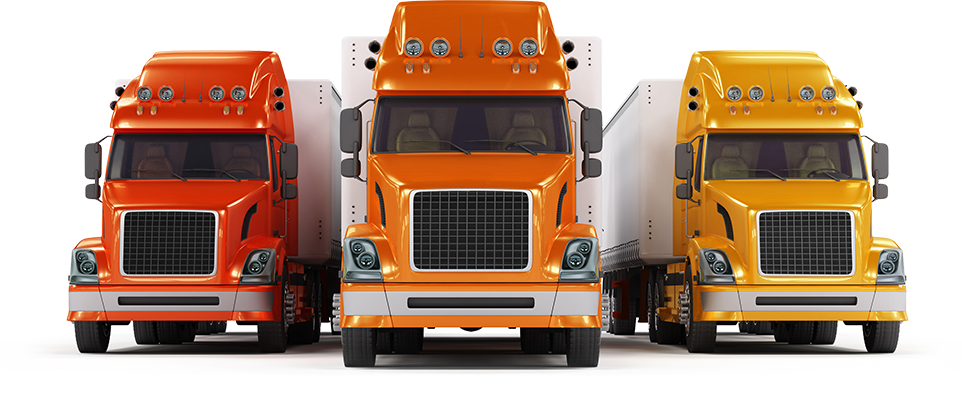
Dry van trucking is the most prevalent mode of freight transportation in the freight transport industry. If you see a fully enclosed trailer that’s moving goods along the highway, that’s a dry van. It’s easy and widely used and it plays a huge part in ensuring that supply chains run smoothly.
This guide tells everything simply and practically—no filler, no added unnecessary complexity. Whether you’re a new carrier, owner-operator, or business shipping freight, this should help you understand how dry van trucking really works.
What Is Dry Van Trucking?
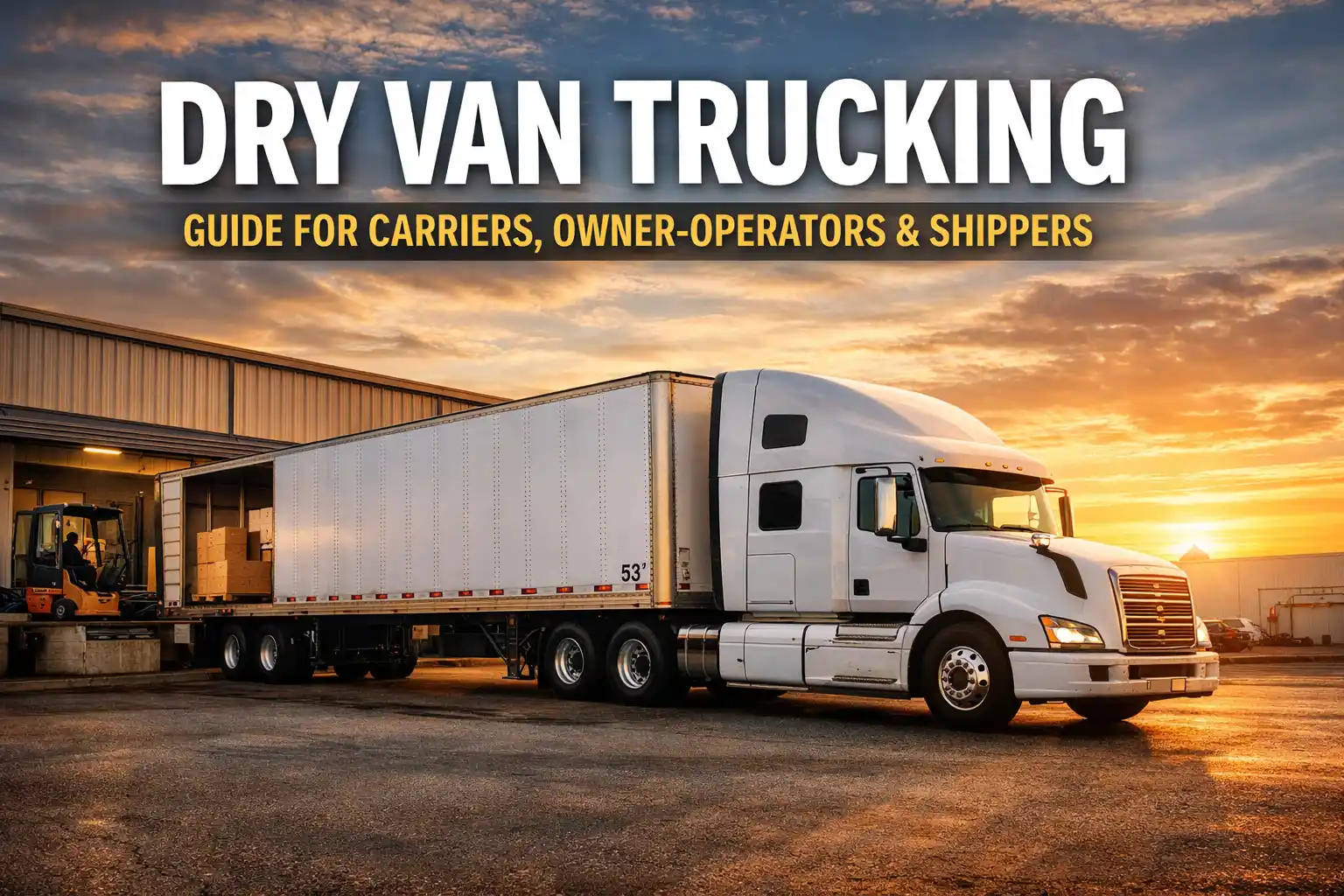
Dry Van Trucking – Transporting goods in an enclosed truck trailer that is protected from the weather, damage, and theft. These trailers do not control the temperature, and thus, they’re used for freight that does not need refrigeration.
A standard dry van trailer is
- 53 feet long
- 8.5 feet wide
- Around 13.5 feet high
Most loads are within a weight limit of around 42,000 to 45,000 pounds.
It’s considered the “default” option in trucking, as it fairly suits the requirements of a common range of industries, including retail, manufacturing, and consumer goods distribution.
What Kind of Freight Goes in a Dry Van?
Dry vans are used for general freight—anything that requires protection but not temperature control.
Common examples include:
- Packaged foods that don’t go bad
- Clothing and retail goods
- Electronics and appliances
- Furniture
- Automotive parts
- Paper products
If the shipment can be palletized, boxed, or retained within a trailer, chances are the shipment would be a good fit for it.
What doesn’t work well:
- Perishable food or frozen products
- Oversized machinery
- Freight that requires open loading
Those types of loads require specialized equipment such as reefers or flatbeds.
Why Dry Van Trucking Is So Widely Used
There is a reason why the majority of carriers are in the starting position of here. Dry van freight is consistent, straightforward, and not complex to manage as specialized hauling is.
Steady Demand
Retail stores, warehouses, and the manufacturing industry use dry vans to a large extent. That provides a constant flow of loads to the country. For carriers, this means fewer periods without jobs.
Lower Operating Costs
Dry vans are better value in terms of maintenance than refrigerated trailers. There’s no cooling unit, meaning fewer repairs and less use of fuel. That alone can make a big difference in long-term profitability.
Simpler Operations
There are fewer moving parts with dry van trucking. You don’t need to pay attention to temperature, nor do you have to worry about a special loading procedure. That makes it easier to deal with, particularly if a new driver is involved or if a fleet is small.
How the Dry Van Shipping Process Works
The process is simple enough, but each step is important if you want to avoid delays or lost revenue.
Load Booking
A broker or shipper gives a load posting. The carrier or the dispatcher looks at the details (pickup location, delivery time, rate) and determines whether he/she accepts it or not.
Pickup
The driver reaches the shipper’s facility. In most of the cases, the freight is loaded using a dock forklift. The driver’s job is to ensure that everything is on the safe side before leaving.
Transit
Once on the road, it is all about the safe and timely delivery. And since there’s no temperature-sensitive cargo, keeping the schedule on track takes priority over other concerns.
Delivery
At the destination, the freight is unloaded. The driver picks up proof of delivery, which verifies the job is done and that payment is initiated.
Dry Van vs Other Trailer Types
Understanding the difference helps you to determine which equipment or shipping method to choose.
Dry Van vs Reefer
Reefers are referred to as temperature-controlled trailers for perishables. Dry vans don’t have that but are cheaper to operate.
Dry Van vs. Flatbed
Flatbeds—these are open trailers that are used for oversized or odd-shaped freight. Dry vans offer protection, and large cargo has flexibility with the flatbed.
Dry Van vs. Step Deck
Step decks are made for loads that are taller than normal height limits. Dry vans are limited in the enclosed structure.
Pros and Cons of Dry Van Trucking
Advantages
Consistent Work
There’s always a demand for dry van freight. This makes it easier to keep your truck moving and reduces your downtime.
Lower Costs
There are generally lower maintenance and fuel costs when compared with specialist equipment.
Flexible Freight Options
You’re not limited to only a certain type of cargo. That gives you more opportunities to find loads.
Challenges
Competitive Rates
Due to the number of carriers running dry vans, pricing can be competitive. You need to be picky with the loads that you take.
Waiting Time at Docks
Delays on loading and unloading are common. If not handled properly, they can tear into your earnings.
Limited High-Paying Niches
Specialized freight frequently pays more. Dry van freight often deals in volume, as opposed to high margins per load.
How Owner-Operators Can Stay Profitable
Dry van trucking may make money, but it’s all discipline and planning.
Plan Your Week, Not Just One Load
Taking random loads translates into wasted miles and a decrease in profits. Instead, try to develop a weekly route that you’ll stick to. This limits the empty miles, and your schedule will be predictable.
Know Your Cost Per Mile
This is one of the most important numbers in your business. This includes fuel, maintenance, insurance, and other expenses. If a load doesn’t take your cost per mile with a margin, then it’s not worth a load.
Work with a Reliable Dispatcher
A good dispatcher does not just book loads. They help you:
- Find better-paying freight.
- Plan backhauls
- Avoid weak markets.
As a result, this can make a major difference in your weekly revenue.
Avoid Cheap Freight
Not every load is profitable. Accepting low rates just to keep busy can be a detriment to your business in the long run. It’s better to wait for a better load than run at a loss.
Common Problems in Dry Van Trucking
Even seasoned carriers have to face these challenges.
Market Fluctuations
Rates vary depending upon demand, time of year, and cost of fuel. What pays well one month may not be as profitable the next.
Deadhead Miles
Empty driving between loads leads to reduced profit. This typically occurs because of bad planning or poor freight markets in some areas.
Detention Time
Waiting at docks without compensation is a widespread problem. Some brokers do offer detention pay, but this is not always the case.
High Competition
Because of the availability of dry vans, many carriers are available in the market. Standing out requires consistency and effective decision-making.
How Shippers Can Choose the Right Carrier
If you’re in the business of shipping freight, price is not as important as reliability.
Here’s what to look for:
- Strong record for on-time deliveries
- Appropriate licensing and insurance
- Clear communication
- Experience handling your type of goods
A low-cost carrier missing deadlines or shipping damaged freight will be pricier in the long run.
What Affects Dry Van Freight Rates?
Rates are affected by a number of real-life factors.
Distance and Lane
Some of the routes are more profitable than others. High-demand lanes typically pay better, especially if there are fewer trucks available.
Seasonality
Freight demand rises at certain times of the year, particularly during the holidays. This pushes rates higher.
Fuel Prices
Rates can be affected by an increase in fuel cost, but not always by enough of a rise to compensate.
Supply and Demand
If there are more loads to unload than trucks, rates skyrocket. If there are too many trucks, rates are reduced.
Reducing Costs Without Cutting Corners
It’s not only about finding better-paying loads that profit is about. It’s also about managing your expenditures.
Improve Fuel Efficiency
- Stick to steady speeds.
- Avoid unnecessary idling.
- Plan routes carefully.
Stay Ahead of Maintenance
Small problems become costly repairs if left alone. Breakdowns and downtime are prevented with regular inspections.
Reduce Empty Miles
Always think one step ahead. Before you are delivering one load, plan for the next one. Instead of having your trucks just sit around, this approach ensures that your truck is always working.
The Role of Technology in Dry Van Trucking
Technology has enabled the operation to become more efficient.
Common tools include:
- Load boards for locating freight
- Tracking by GPS for route planning
- Electronic logging device (ELD) compliance
- Dispatch software for working operations
Using the correct tools enables saving time, as well as avoiding costly mistakes.
Is Dry Van Trucking a Good Choice?
Dry van trucking is a viable solution for many people in the industry.
It works well if you:
- Want consistent freight
- Want to perform simple operations
- Are going into a trucking business?
It might not be the best choice when you are searching for loads that pay extremely high.
Conclusion
Dry van trucking is based on reliability. It’s not about going after the best paying load every day. It’s about exercising smart decisions over time—the right lanes to be in, dealing with costs, and having the right partners.
For owner-operators the difference between struggling and succeeding has often been found to come down to planning. However, a well-structured week will always be better than random load selection.
To shippers, the appropriate carrier translates to dependability and peace of mind. That’s more important than saving a little bit of money in terms of rates.
Dry van trucking on the face of it may sound like a simple task, but running it well requires discipline. Those who take it seriously like a business and not just a job are the ones that stay and grow profitably.
👉 Contact Dexter Dispatch Services at www.dexterdispatchservices.com or call us at [682-336-0385]